.webp&w=2048&q=75)
Ticket Closed. Relationship… Still Broken?
Congrats! The support ticket’s resolved. Too bad the customer’s still furious. Enterprise customer service is supposed to be the gold standard ,sophisticated systems, big budgets, and all the CRM bells and whistles. Yet, too often, it’s a soulless machine churning through ticket numbers while customers feel like they’re shouting into a void. The disconnect? Your enterprise customer support systems like CRM and ERP are obsessed with closing tasks, not building trust.
Take Sarah, a loyal customer who called about a delayed order. The CRM logged her issue, the rep sent a canned “we’re on it” email, and the ticket was marked “resolved” when the order shipped. But Sarah’s real problem feeling ignored and undervalued ,wasn’t addressed. She’s not coming back, and her scathing online review is now your team’s problem. This isn’t just a one-off; it’s a systemic flaw in how enterprise customer service prioritizes metrics over relationships.
CRM systems are supposed to be the heart of customer interactions, but when they’re paired with clunky enterprise software, they become glorified to-do lists. Let’s dive into what’s missing and how to fix it.

What’s Missing from Your Enterprise Customer Service Playbook?
Enterprise customer service should be about making customers feel heard, not just checking boxes. But most customer relationship management software misses the mark by ignoring the human element. Here’s what’s absent from the playbook.
Emotion Tracking
Customers aren’t robots (yet). They call angry, frustrated, or confused, and a good CRM should pick up on that. Modern CRM tools can analyze tone in emails or call transcripts to flag high-emotion cases. Without this, your reps are flying blind, treating a furious customer the same as a mildly curious one. A 2024 study found that 73% of customers are more loyal to brands that acknowledge their emotions yet most CRM software doesn’t even try.
Smart Escalations
Not every issue needs a manager, but some do. Current CRM systems often rely on manual escalations, which are slow and inconsistent. A smart CRM solution uses AI to detect when a case needs higher-level attention like repeated complaints or high-value clients automatically routing it to the right person. This cuts resolution times and keeps customers from feeling like they’re stuck in a bureaucratic loop.
Relationship Memory
Your CRM should know your customers better than your best salesperson. But many customer experience management platforms forget context between interactions. If a customer’s been complaining about the same issue for weeks, the CRM software should surface that history instantly, not make the rep dig through notes. Lack of memory makes customers repeat themselves, which is a one-way ticket to Frustration Town.
Enterprise software often skips these “soft” features in favor of hard metrics like ticket closure rates. But customers don’t care about your KPIs they care about how you make them feel. So, can your CRM do more than send generic emails?

Can Your CRM Do More Than Send ‘We’ve Received Your Ticket’ Emails?
Your CRM is sending emails. Great. Can it detect tone, escalate priority, or personalize responses? No? Then what’s it doing? Most CRM software is stuck in 2010, firing off robotic “we’ve received your request” messages while customers roll their eyes. Enterprise customer service deserves better CRM services that act like a human, not a vending machine.
Tone Detection
A customer’s email that reads “I’m beyond upset” shouldn’t get the same reply as “Hey, quick question.” Advanced CRM tools use natural language processing (NLP) to analyze sentiment and prioritize urgent or emotional cases. For example, Zendesk’s AI can flag high-risk tickets based on tone, helping reps respond with the right urgency. This isn’t sci-fi ,it’s table stakes for customer service automation tools in 2025.
Smart Escalation Workflows
Manual escalations are a relic. A modern CRM solution automatically routes complex issues like a billing dispute for a VIP client to senior reps or managers. Salesforce’s Einstein AI, for instance, predicts escalation needs based on case history and customer value, slashing resolution times by up to 40%. This keeps enterprise customer service proactive, not reactive.
Personalized Responses
Canned replies are the death knell of trust. CRM software should pull customer data like purchase history or past interactions ,to craft responses that feel personal. HubSpot’s CRM can suggest tailored replies based on context, making customers feel like they’re talking to a friend, not a bot. Personalization isn’t just nice; it’s a dealbreaker -68% of customers say they’ll switch brands if responses feel generic.
Integrated Feedback Loops
A good CRM doesn’t just close tickets ,it learns from them. By analyzing customer feedback, CRM services can identify recurring issues (like a buggy checkout process) and alert product teams. This turns enterprise customer service into a strategic asset, not just a cost center.
If your CRM can’t do these things, it’s not keeping up. But when enterprise software is done right, it can transform customer relationship management software into a trust-building powerhouse.
How Enterprise Software Improves Customer Service ,When Done Right
Enterprise software improves customer service when it’s built to listen, not just track. The best enterprise systems for business operations in 2025 integrate CRM and ERP to create workflows that prioritize the customer, not just the process. Here’s what success looks like.
Unified Data
A customer’s journey shouldn’t be a scavenger hunt across systems. Integrated enterprise software like Microsoft Dynamics 365 ,combines CRM and ERP data to give reps a full picture: order status, payment history, and past interactions, all in one dashboard. This cuts resolution times and makes customers feel valued.
Proactive Service
Great CRM software doesn’t wait for complaints. By analyzing enterprise software data, it can predict issues like delayed shipments or low stock and alert reps to reach out first. For example, a retailer using Oracle NetSuite’s CRM reduced churn by 15% by proactively contacting at-risk customers.
Scalable Automation
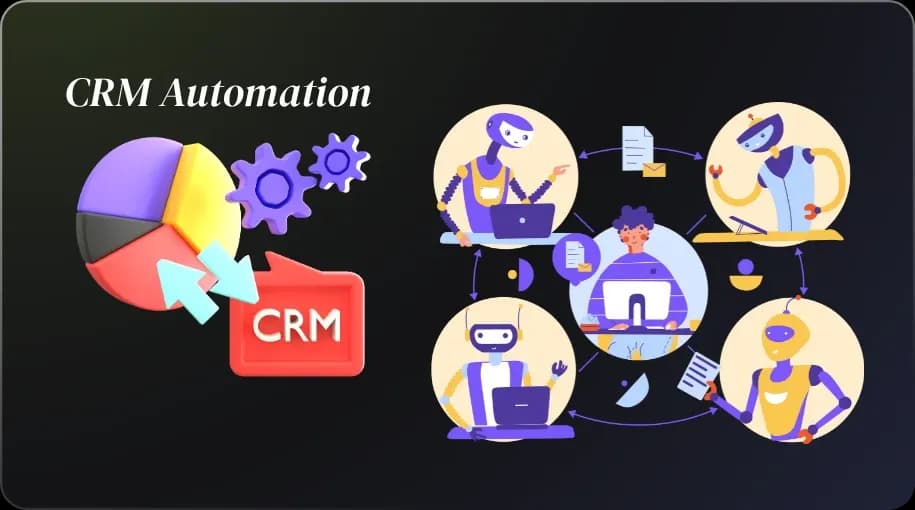
Automation isn’t about replacing humans ,it’s about freeing them to focus on relationships. CRM tools can handle repetitive tasks (like order confirmations) while flagging complex cases for human intervention. This balance is key to scaling enterprise customer service without losing the personal touch.
Real-World Wins
Take a global logistics firm that overhauled its CRM and ERP integration. Before, reps spent 20 minutes per ticket cross-referencing systems. After implementing a unified enterprise software platform, resolution times dropped to 5 minutes, and customer satisfaction jumped 25%. That’s what happens when customer relationship management software works with, not against, your team.
Enterprise software can be the backbone of great enterprise customer service but only if it’s built with the customer in mind. So, how do you make your ERP care as much as your reps do?
Service-First ERP: Build Like You Actually Care About the Customer
Your ERP needs therapy ,not just tasks. Most enterprise customer support systems treat customers like data points, not people. A service-first ERP, paired with a smart CRM, flips the script. Here’s how to build customer service solutions that actually work.
Service Triggers
A good CRM software doesn’t just react ,it anticipates. Service triggers, like automated alerts for delayed orders or billing errors, let reps act before customers even complain. For example, SAP’s CRM can ping reps when an order’s stuck in processing, preventing escalations. These triggers turn enterprise customer service into a proactive force.
Personalization at Scale
Every customer wants to feel special, even if you’ve got millions of them. CRM services can use AI to personalize interactions based on data from enterprise software. A retailer’s CRM might suggest upsell offers based on a customer’s purchase history or tailor apologies for delays based on their loyalty status. This makes enterprise customer service feel human, even at scale.
Feedback Loops
Customers tell you what’s wrong ,if you listen. A service-first ERP integrates feedback from CRM interactions into operational improvements. For instance, if multiple customers complain about late deliveries, the CRM can flag this for the logistics team to adjust routes. This closes the loop between enterprise customer service and business operations.
Seamless CRM and ERP Integration
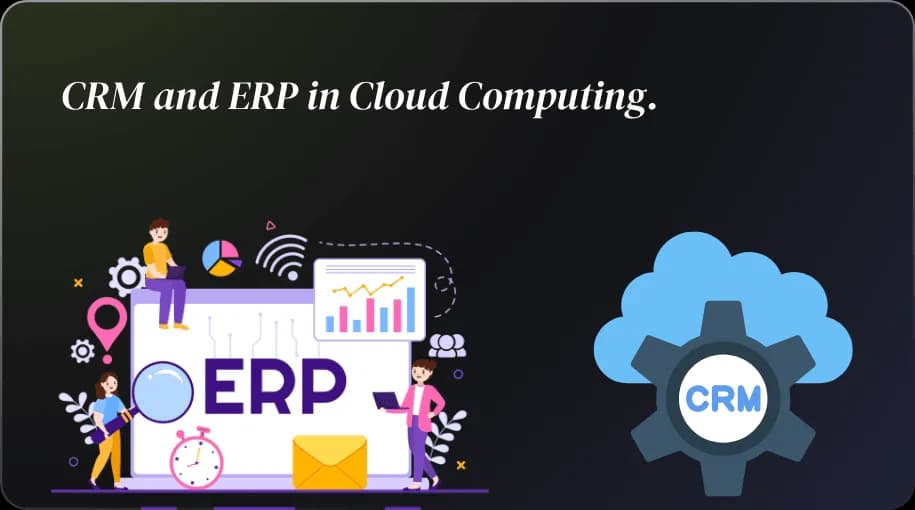
The magic happens when CRM and ERP talk in real time. A unified customer service solution ensures that when a customer updates their address in the CRM, the ERP adjusts shipping instantly. Platforms like Odoo or Zoho One make this integration affordable even for mid-sized businesses, boosting enterprise customer service efficiency.
Building a service-first ERP means designing enterprise software that cares about the customer as much as your reps do. It’s not just tech ,it’s a mindset.
Key Takeaways: A Ticket Isn’t the End of the Story, It’s the Beginning
- Stop treating customers like cases. Enterprise customer service is about building trust, not just closing tickets.
- Build ERP and CRM systems that actually care. Integrate customer relationship management software with enterprise software to prioritize relationships over metrics.
- Automate empathy, not just emails. Use CRM software with tone detection, smart escalations, and personalization to make customers feel heard.
- Personalize, track tone, escalate smartly. The best enterprise systems for business operations in 2025 use AI and data to deliver human-first service.
As Maya Angelou might say in the enterprise era: “The customer remembers how you made them feel, not how fast you closed a ticket.”
If your CRM’s love language is “automated responses,” it’s time to upgrade. Let’s design a customer relationship management software that actually texts back ,with empathy.
.webp&w=2048&q=75)