Your sales team is charming prospects with promises of unicorns and rainbows, while your support team is fielding complaints about a product that apparently delivers only storm clouds and grumpy cats. Somewhere in the middle, your CRM data integration is playing a disastrous game of telephone, turning customer data into a garbled mess that leaves everyone frustrated ,especially your customers. If this sounds familiar, you’re not alone. CRM data integration between sales and support is the Achilles’ heel of many businesses, and it’s not because your CRM software is secretly plotting against you. Spoiler alert: it’s a people, process, and culture problem dressed up as a tech glitch.
We’ll unpack why CRM data integration fails, how it sabotages customer relationship management, and what you can do to fix it without resorting to throwing your CRM system out the window. From siloed customer data to misaligned teams, we’ll cover the gritty details, answer burning search questions, and serve up real-world tactics with a side of sharp-witted sarcasm. Buckle up ,it’s time to get your CRM service in line.
What Is CRM Data Integration, and Why Should You Care?
Let’s start with the basics: What is CRM data integration? It’s the process of connecting and syncing customer data across different systems and teams most critically, between sales and support ,so everyone’s working from the same playbook. Think of it as the digital equivalent of making sure your left hand knows what your right hand is doing. Without it, your CRM becomes a chaotic scrapbook of mismatched notes, duplicate entries, and half-baked customer histories.
Why does this matter? Because poor CRM data integration doesn’t just annoy your teams; it alienates your customers. When sales promises a discount that support knows nothing about, or when a customer has to repeat their sob story three times because their data is scattered across your CRM software, you’re not just losing trust ,you’re losing revenue. Customer relationship management thrives on consistency, and that starts with clean, unified CRM data.
Why Can’t Sales and Support Just Get Along in CRM?
Here’s the ugly truth: sales and support teams often behave like rival high school cliques, each guarding their precious customer data like it’s the key to the prom queen’s diary. Sales logs every call, email, and coffee date in the CRM, but their notes read like cryptic poetry: “Client loves golf. Close soon?” Meanwhile, support’s entries are a litany of complaints: “Ticket #472: Client furious. Golf thing didn’t work.” Neither team knows what the other is doing, and the CRM data is a mess of contradictions.
This isn’t a tech problem ,it’s a culture problem. Sales and support have different goals, incentives, and workflows. Sales is all about closing deals and moving on; support is about solving problems and keeping customers happy long-term. Without a shared vision for CRM customer data management, your CRM integration becomes a battleground where nobody wins ,especially not your customers.
How Is CRM Used in Sales?
Let’s answer a key question: How is CRM used in sales? In sales, a CRM is like a trusty sidekick, tracking leads, managing pipelines, and storing every detail about prospects. Sales teams use CRM software to log interactions, forecast deals, and prioritize hot leads. A good CRM service helps salespeople know exactly when to send that follow-up email or upsell a client who’s been dropping hints. But when CRM data integration fails, sales teams are flying blind ,chasing leads who’ve already churned or pitching offers that support has already nixed.
Is Your CRM Data Integration a Game of Chinese Whispers?
You remember Chinese Whispers, right? One person whispers a phrase, and by the time it reaches the end of the line, “I love pizza” has morphed into “Aliens stole my lizard.” That’s exactly what happens when CRM data integration goes wrong. Customer data gets distorted as it moves between sales and support, leading to mismatched expectations and epic miscommunications.
Here’s how it plays out:
- Duplicate Data: Sales creates a new contact for “John Smith,” while support has him as “Jon Smyth.” Your CRM now has two profiles for the same guy, and nobody knows which one’s right.
- Incomplete Data: Sales logs a deal but forgets to note the customer’s special request. Support gets an earful when the customer expects something that’s not in the system.
- Conflicting Data: Sales marks a client as “VIP,” but support sees them as “chronic complainer.” Good luck delivering a consistent experience.
This isn’t just sloppy ,it’s costly. According to studies, bad CRM data costs businesses an average of 20-30% in lost productivity and revenue. When your CRM integration is a game of Chinese Whispers, your customer relationship management suffers, and customers start looking for the exit.
What Is Customer Relationship Management?
Since we’re throwing around the term, let’s clarify: What is customer relationship management? At its core, customer relationship management (CRM) is the strategy and technology businesses use to manage interactions with customers and prospects. It’s about building relationships, not just closing deals. A CRM system centralizes customer data, streamlines communication, and helps teams deliver personalized experiences. But when CRM data integration breaks down, those relationships crumble faster than a house of cards in a windstorm.
The High Cost of Siloed CRM Data
Siloed CRM data is the silent killer of customer relationship management. When sales and support operate in their own bubbles, the consequences ripple across your business:
- Customer Frustration: Nothing says “we don’t care” like making a customer repeat their issue because support can’t see sales’ notes. Poor CRM service drives customers to competitors.
- Lost Sales: If sales doesn’t know a customer’s support history, they might pitch an upsell to someone who’s already furious. Cue awkward silence and a lost deal.
- Wasted Time: Teams spend hours cleaning up duplicate or incomplete customer data instead of doing their actual jobs.
- Missed Opportunities: Without CRM analytics, you’re blind to patterns like which customers are at risk of churning or which support issues could be upsell opportunities.
The fix? Stop treating CRM integration as a tech project and start tackling the human and process issues at its core.
What Is CRM Data?
Let’s get granular: What is CRM data? CRM data is the lifeblood of your CRM system ,all the information about your customers, from contact details and purchase history to support tickets and sales interactions. It’s the raw material that powers CRM analytics and informs every customer-facing decision. But when CRM data is incomplete, inconsistent, or stuck in silos, it’s like trying to cook a gourmet meal with expired ingredients. Good luck serving up a great customer experience.
What Is Customer Service and Support in CRM?
Another key question: What is customer service and support in CRM? In a CRM, customer service and support involve tracking and resolving customer issues, managing tickets, and ensuring customers feel heard. A solid CRM service lets support teams access a 360-degree view of the customer ,sales history, preferences, past complaints ,so they can solve problems fast. But when CRM data integration fails, support is left scrambling, and customers are left fuming.
How Do You Actually Integrate Sales and Support Data in CRM Without Losing Your Mind?
Now for the million-dollar question: How do you integrate sales and support data in CRM? Spoiler: it’s not about buying fancier CRM software or hiring a tech wizard. Here are real-world tactics to make CRM integration work:
- Align Goals and Incentives: Sales and support need to stop acting like they’re on different planets. Set shared KPIs like customer retention or Net Promoter Score ,that force collaboration.
- Standardize Data Entry: Create clear rules for how customer data is entered in the CRM. No more cryptic sales notes or support tickets that read like War and Peace.
- Use a Single Source of Truth: Centralize CRM data in one platform, with real-time syncing between sales and support. No excuses for “I didn’t see that update.”
- Train Your Teams: Teach everyone how to use CRM tools properly. A CRM is only as good as the people wielding it.
- Leverage CRM Analytics: Use CRM analytics to spot gaps in customer data like missing support tickets or incomplete sales notes and fix them before they cause chaos.
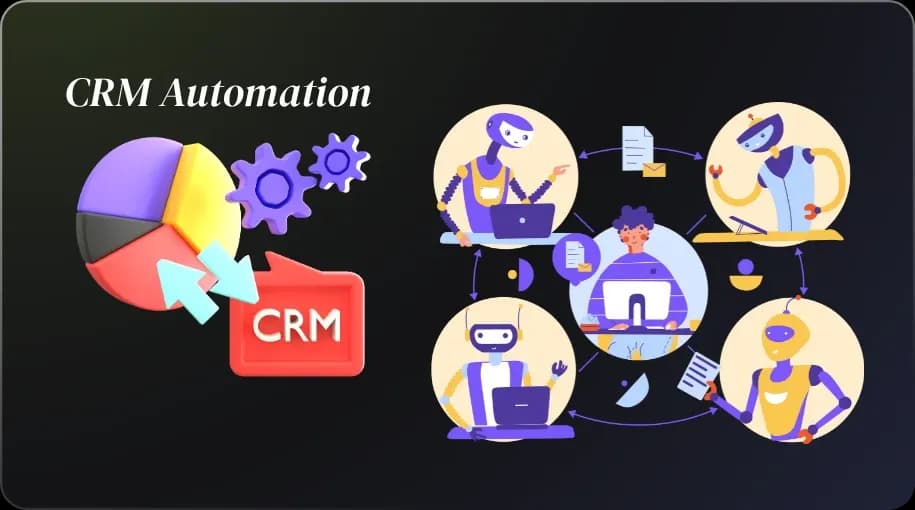
- Automate Where Possible: Automate data flows between sales and support to reduce manual errors. For example, when sales closes a deal, automatically notify support with key details.
What Is CRM Service?
Let’s tackle another question: What is CRM service? A CRM service is the platform or solution that powers your customer relationship management efforts think Salesforce, HubSpot, or Zendesk. It’s the tech backbone that stores CRM data, enables CRM integration, and helps teams collaborate. But even the shiniest CRM service won’t save you if your teams treat it like a dumping ground for bad data.
The Role of CRM Customer Data Management
Here’s another critical piece: What is customer data management in CRM? CRM customer data management is the process of collecting, organizing, and maintaining customer data in your CRM to ensure it’s accurate, accessible, and actionable. It’s about preventing the chaos of duplicates, inconsistencies, and gaps. Without solid CRM customer data management, your CRM integration is built on quicksand, and your teams are left fighting over whose data is “right.”
What Is CRM Integration?
One more for clarity: What is CRM integration? CRM integration is the art of connecting your CRM with other systems like marketing tools, support platforms, or accounting software so data flows seamlessly. It’s what ensures sales and support aren’t working off different versions of the truth. But integration isn’t just about plugging systems together; it’s about aligning processes and people to make the data useful.
Real-World Tactics for Better CRM Service Collaboration
Ready to stop the madness? Here are practical steps to improve CRM service collaboration between sales and support:
- Hold Cross-Team Workshops: Get sales and support in a room (virtually or otherwise) to map out their CRM workflows. Identify where data gets lost and agree on fixes.
- Create a Data Governance Team: Assign a small group to oversee CRM customer data management. They’ll enforce standards and keep your CRM data clean.
- Use Role-Based Dashboards: Customize CRM software dashboards so sales sees deal-focused data and support sees ticket-focused data without losing the big picture.
- Celebrate Wins Together: When a support ticket leads to an upsell or a sales deal prevents a churn, shout it out. Shared success builds trust.
- Invest in Training: Make CRM training mandatory, not optional. A well-trained team is your best defense against bad CRM data.
The Power of CRM Analytics
Don’t sleep on CRM analytics. By analyzing CRM data, you can uncover patterns that drive better decisions like which customers are likely to churn or which support issues are killing sales. For example, if analytics show that 30% of support tickets stem from miscommunications during sales, you’ve got a clear target for improvement. CRM analytics turns raw data into actionable insights, but only if your CRM integration is tight enough to deliver clean data in the first place.
Key Takeaways
- CRM data integration fails when sales and support treat the CRM like their personal fiefdoms. Align goals and processes to break down silos.
- Siloed customer data kills customer relationship management by creating inconsistent experiences and missed opportunities.
- Poor CRM integration hurts both sales and support, leading to lost revenue, wasted time, and frustrated customers.
- CRM customer data management is the foundation of effective CRM service. Invest in clean, centralized data.
- CRM analytics can transform your business but only if your CRM data is accurate and unified.
- To integrate sales and support data in CRM, focus on people and processes, not just tech.
Conclusion: Stop the CRM Chaos
As George Bernard Shaw once said, “The single biggest problem in communication is the illusion that it has taken place.” Nowhere is this truer than in CRM data integration, where sales and support think they’re on the same page until a customer’s complaint proves otherwise. The good news? You can fix this. By aligning teams, standardizing processes, and treating your CRM like the powerful tool it is, you can turn customer data chaos into a well-oiled customer relationship management machine.
If your CRM data looks like it was thrown together by a toddler with a vendetta, it’s time to take action. Let’s make your sales and support teams the ultimate power couple without the cringe-worthy trust falls. Reach out, and we’ll craft a CRM integration plan that’s so smooth, your customers will think you’ve been reading their minds.