
.webp&w=2048&q=75)
ERP solutions aren't just fancy software to manage business processes; they're at the forefront of pushing businesses into smarter, more sustainable practices. Thanks to leaders like SAP and Oracle, ERPs now come packed with features designed for green warriors, tracking carbon footprints and slashing resource waste is all in a day's work. Imagine a world where every company operates as responsibly as Nestlé, using advanced analytics through their ERP systems to monitor and minimize environmental impacts from water usage to greenhouse gas emissions.
This isn't just about working smarter but fostering an eco-conscious workplace that aligns technology with sustainability goals. As we look ahead, choosing an ERP system becomes crucial not only for operational efficiency but also for contributing positively toward our planet's health, a leap towards marrying technology with environmental stewardship begins here. Leading us seamlessly into understanding how adopting such integrated tools can fundamentally alter the landscape of corporate responsibility.

Sustainable Practices Through Resource Optimization
For ERP, it seems like everyone's suddenly gotten a green thumb. Oracle just dropped its latest bombshell - updates screaming sustainability from the rooftop. If you thought tracking your carbon footprint was a hassle, think again.
Nestlé's leap into green ERP modules turned heads and how! They're crunching numbers on water usage and greenhouse gas emissions like they're counting calories, talk about an environmental diet plan for businesses. What we have here isn't just some fancy compliance tick-box; this is cutting-edge tech meeting tree-hugging enthusiasm head-on.
As companies race to not only meet but exceed eco-conscious expectations, embracing sustainable practices through resource optimization becomes less of a 'nice-to-have' and more of an operational necessity. And let me tell you, with analysts betting big on sustainable ERP adoption skyrocketing, missing out could mean playing catch-up in a market where technology dances hand in hand with responsibility.
Supply Chain Management Becomes More Efficient
As we dive deeper into the world of ERP and its undeniable perks for supply chains, let's cut through the fluff. We're talking about a single platform that not only makes our lives easier by cutting down on endless training sessions but also sharpens our game in real-time decision-making - quite literally turning data into gold. Imagine having a system so smart it nudges your purchasing team at just the right moment, ensuring you never hit those panic-inducing low stock levels.
They'll stick around because they start to see words like 'delay' as something from their past life thanks to improved planning and bang-on delivery estimates. Then there's this almost magical aspect where inventory aligns perfectly with demand; say goodbye to warehouse space woes and hello to cost savings that look good enough to brag about at industry mixers.
Not forgetting agility, because what's hotter than being able to sidestep potential disruptions with grace? Lastly, think less tech headache across departments due entirely fabulous IT operations streamline without an army of applications vying for attention. In essence, embracing ERP is less about jumping on some high-tech bandwagon and more about strategically arming your business against inefficiencies while playing it cool in customer satisfaction charts.
How to Choose the Right ERP for 2025
Choosing the right ERP for 2025 boils down to a few key considerations. We can't stress enough the significance of picking an ERP that's as ambitious and adaptable as your company plans to be. Initially, ensure it packs everything from inventory management to HR tools under one roof, you know, so you're not juggling apps like a circus act just to get through Monday mornings.
Then there's customization because let's face it, nobody likes wearing someone else's suit. Your software should fit your business needs snugly, allowing room to grow without outgrowing its usefulness faster than kids go through sneakers. Scalability isn't merely a buzzword; it's what keeps you sane when expansion hits harder than expected, like discovering suddenly everyone wants your product yesterday.
Settle on an ERP solution ready to scale up with those ambitions without throwing unnecessary hurdles in your path or forcing major system overhauls at each growth spurt. Lastly but equally crucial is seamless integration capabilities because frankly, if adding new tech feels like fitting square pegs into round holes, well, we've all been there and didn't enjoy the trip one bit.
Benefit #3: Better Collaboration Across Departments
We've all been there, the classic tales of departments within an organization working in silos, where finance has no clue what marketing is up to and HR might as well be on another planet. Enter ERP systems, our unsung heroes for pumping some much-needed efficiency into interdepartmental collaboration. With a solid ERP system like SAP S/4HANA or Oracle ERP Cloud in place, it suddenly becomes easier for everyone to get on the same page.
For starters, these platforms offer real-time data sharing across every department from HR and finance to supply chain management and sales. This means decisions are made based not just on gut feeling but backed by fresh data that reflects the current reality across all corners of your business. Imagine this: The finance team instantly sees how changes in manufacturing impact budget forecasts without chasing down emails or making desperate phone calls.
Or picture a world where HR updates seamlessly align with project needs because they have access to live operations schedules, no more guessing games about staffing requirements! These examples barely scratch the surface when expressing how pivotal such interconnectedness can become for strategic planning and daily firefighting alike. In 2025's fast-paced environment, we understand that having disjointed teams isn't just frustrating; it's downright detrimental to staying competitive.
Benefit #4: Cost Savings Through Smarter Resource Use
As we peel back the curtain on cost savings through smarter resource use, let's get real about ERP systems. Think of cloud-based ERPs like Acumatica and NetSuite; they're game-changers for slashing upfront costs. We don't just save pennies in a piggy bank, we cut down hefty expenses by automating tasks that once ate up employee hours.
And with AI's magic touch, these platforms pinpoint where resources are leaking and patch them up before you even notice there's an issue. Now imagine this: your inventory is always just right, no more dusty stock taking up space or urgent restocks because someone miscounted. That's what modern ERP brings to the table, thanks to predictive analytics making overstocking a tale of the past.
And it doesn't stop with physical goods either; blockchain integration means saying goodbye to those pesky third-party fees clogging your financial arteries, it's all transparent and secure within your system now. Through the looking glass of efficiency, our operational costs shrink without squeezing outgrowth, as scalable as today's small business needs yet robust enough for giants aiming higher every quarter.
Benefit #5: Improved Compliance and Data Security
We all know the drill: as we push deeper into this digital age, data breaches seem to pop up in the news like a bad game of whack-a-mole. It's enough to keep any business owner awake at night. But here's where cloud-based ERP systems strut onto stage left, offering not just a sliver but a whole chunk of peace of mind with improved compliance and data security features that are more ironclad than your grandma's cookie tin.
First off, let's face it; manual processes have about as much reliability as my 8-year-old nephew when I ask if he ate the last piece of cake, none. Cloud ERP automates these processes, slashing the chances for human error that could lead to compliance slip-ups or data leaks. And because everything is online (yes, including those endless spreadsheets), accessing critical information doesn't mean rummaging through filing cabinets but simply clicking around from wherever you've got internet access.
Then there's scalability which sounds fancy but really means whether you're running one small headquarters or juggling multitudes across time zones; these systems grow with you without bending under pressure, they're like yoga masters in software form. But what truly sets cloud ERPs apart is their top-tier encryption and around-the-clock monitoring, it's akin to having an elite squad protecting your valuable assets so that hackers get nothing more than cold shoulders should they try anything funny. We sleep better knowing our back, and yours, is covered by something sturdier than hope alone. Advancements in cloud ERP solutions help businesses stay ahead while keeping threats behind them.
Automated Processes Reduce Human Error
Let's face it, humans aren't perfect. We make mistakes, especially when performing repetitive tasks like data entry. This is where automated processes in ERP systems truly shine by taking the tedium out of finance operations and slashing the error rate to near zero.
Imagine software that handles invoice processing with an iron fist of accuracy; no more misplaced zeros or swapped digits thanks to AI-powered platforms like Vic.ai. These tools don't just work hard; they work smart, learning from every transaction and continually improving their precision. And here's a kicker: faster cycle times aren't just a wishful thinking but reality.
With automation handling everything from capturing invoices via email to routing them for approval based on pre-set rules, cycles move as smoothly as silk without human intervention slowing things down or muddying the waters with errors. We embed advanced technologies into our workflows through seamless API integrations or middleware connections within our ERPs. This creates an efficient back office, akin to having a financial superhero team at your service 24/7.
Benefit #2: Automation That Reduces Manual Work
We're living in an era where the phrase "time is money" has never felt more acute, especially in the business realm. It's no secret that many of our employees find themselves bogged down by mundane tasks. Let's face it, spending 30-40% of their time on repetitive work hardly screams efficiency or innovation.
Now, imagine slashing that number significantly with automation powered by AI-driven ERP systems. Not only does this promise a delightful reduction in manual toil for our teams but also paves the way for cost savings and enhanced productivity across the board. Integrating AI into ERP isn't just about keeping up with trends; it's about actively deciding to put your business on a smarter path forward, a move backed heavily by industry leaders pouring billions into these platforms.
With capabilities ranging from predictive analytics forecasting demand spikes before they happen, to RPA ensuring data entry doesn't become anyone's full-time job, these innovations are game-changers. Think less grunt work and more strategic play, because who wouldn't rather focus on growth than get stuck processing invoices? This isn't merely speculation; businesses adopting AI-enhanced ERPs are witnessing real transformation, making it clear why jumping onto this bandwagon might just be one of the smartest moves we make.
What Is ERP and Why It Matters in 2025
ERP, or Enterprise Resource Planning if we're not into abbreviations today, has become the unsung hero in our quest for business domination. By 2025, it's as essential as your morning coffee; can you even function without it? ERP systems are weaving their digital magic across global businesses faster than one can say 'efficiency.' The industry is projected to hit $101 billion by 2026 because integrating real-time analytics is necessary.
Gone are the days when cloud computing was met with side-eyes and skepticism. Now, if your ERP isn't floating up there in the cloud offering sleek deployment and cost-effective scalability, you're basically living in the stone age of technology. And let's talk about being trendy with two-tiered setups, because why settle for one system when you can have primary muscle teamed up with specialized agility?
Then throw IoT into this mix like some techy cherry on top; now your ERP doesn't just organize data, it breathes life into each operational move through smart connections galore. So yeah, ERPs matter more than ever before because they've morphed beyond mere software solutions, they're practically orchestrating how modern business thrives amidst constant change.
How ERP Streamlines Business Workflows
Oh, the magic of ERP in streamlining business workflows is something to behold. With everything under one roof, we suddenly find ourselves spotting trends like hawks and tweaking operations on the fly. It's not just about keeping pace anymore; it's about staying ahead, thanks to that bird's-eye view of performance metrics ERP gifts us.
We're talking real-time insights here, individuals, a treasure trove for making decisions with confidence and agility. And let's not forget how this system plays nice with all our departments, glueing them together so they can share data without breaking a sweat. Through the roof since repetitive tasks no longer eat up precious time. Plus, by ensuring resources are used exactly where they're needed most, cha-ching!, cost savings naturally follow.
Benefit #1: Real-Time Data for Faster Decisions
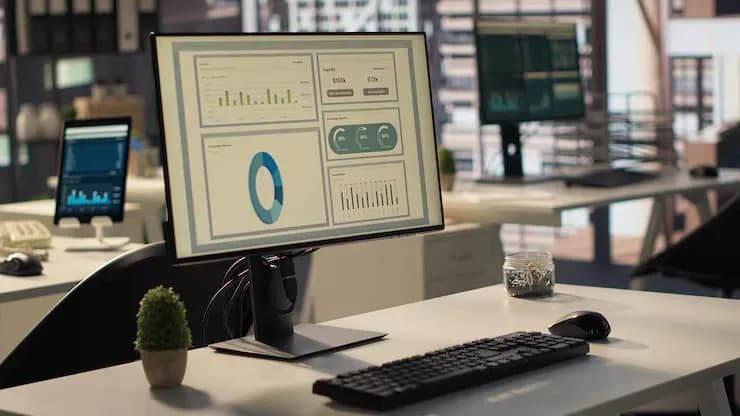
We've always known that time is money, but in the realm of ERP systems, it's more like real-time data equals faster decisions. Gone are the days when we had to wait for end-of-month reports or navigate through endless spreadsheets just to get a glimpse of our performance metrics. Now, imagine having interactive dashboards at your fingertips, offering instant visibility into key performance indicators (KPIs).
It makes complex data digestible for those of us who aren't exactly tech wizards and allows executives quick insights while also providing the capability for deeper analysis if needed. This isn't just about keeping pace; it's about setting the pace in fast-evolving markets with improved forecasting accuracy and boosting operational agility. Throw IoT devices into this mix, from smart sensors on manufacturing equipment to RFID tags on inventory items - and you're not only making informed decisions faster but adapting them in real-time as well.
The integration doesn't stop there; edge computing ensures these responses are swift, reducing lag times significantly which is critical especially for industries where timing is everything.
Final Thoughts: Smarter Work Starts With Smarter Tools
Wrapping up, smarter work isn't just a fancy phrase we toss around. It's the heart of what makes businesses thrive in this tech-savvy era. By leveraging AI-driven ERP solutions, companies aren't merely jumping on a bandwagon.
They're significantly boosting efficiency and slashing costs like there's no tomorrow, and that spells out stiff competition for anyone stuck in yesterday's ways. But here's the kicker: as much as we rave about these technologies, they're only as good as the people behind them. The scramble is real for AI experts who can maneuver through these advanced tools with ease, because let's face it, not all vendors have caught up yet!
And hey, when manufacturers start employing intelligent agents to oversee supply chains or schedule maintenance automatically? We know we've stepped into an age where smart tools aren't just nice to have, they're absolutely crucial.
Oh, imagine a world where ERP systems magically make our workflows smarter by 2025. These genies of the software realm streamline operations like never before.
They're not just about tidying up data; they predict trends, automate mundane tasks, and yes, even tell you what's going wrong before it actually does. So businesses can wave goodbye to chaos and welcome efficiency with open arms. Think less clutter, more clarity.
It's like having a crystal ball for your business processes, pretty neat if you ask me.
.webp&w=2048&q=75)
.webp&w=2048&q=75)