
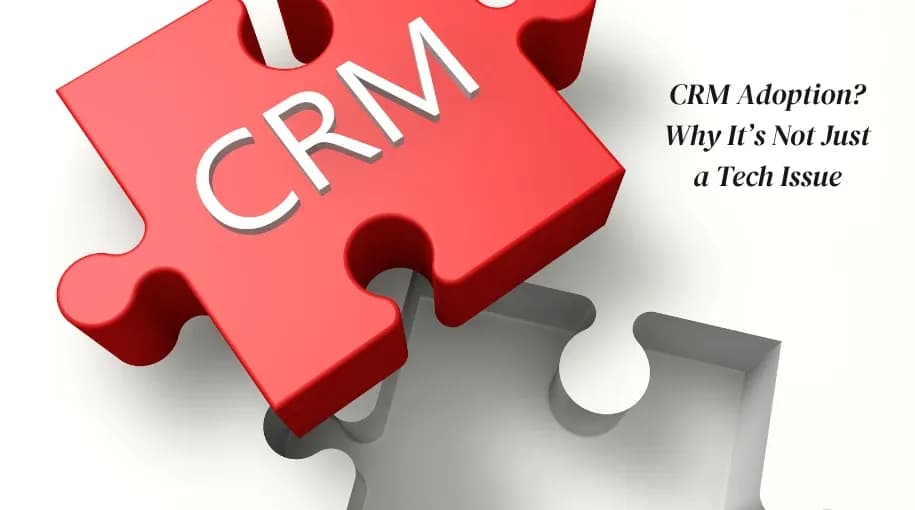
Let’s get real: your shiny new CRM software isn’t going to magically transform your business into a customer-charming, revenue-crushing machine. You can spend millions on the fanciest customer relationship management (CRM) platform, but if your team treats it like a dusty treadmill in the basement, your CRM adoption dreams are dead on arrival. The dirty secret? CRM adoption isn’t just a tech issue ,it’s a cultural one. And no, throwing more training videos at your team won’t fix it.
This 3000-word deep dive will unpack why CRM adoption fails, how to improve CRM adoption, and why your customer tracking system is only as good as the humans grudgingly using it. We’ll answer burning questions like: What is CRM adoption? Why are teams ghosting their CRM tools? And how do you actually get people to use that fancy CRM software you paid for? Buckle up for a sharp, witty, and occasionally sarcastic ride through the CRM adoption culture problem because it’s time to stop blaming the tech and start fixing the people.
What Is CRM Adoption, Anyway?
Let’s start with the basics. CRM adoption is the process of getting your team to actually use your customer relationship management system consistently, correctly, and enthusiastically. It’s not just about logging in; it’s about embedding CRM tools into daily workflows so they become as natural as checking email or doom-scrolling on X. When adoption is high, your CRM becomes a goldmine of insights, streamlining sales, marketing, and customer service. When it’s low? You’ve got a glorified spreadsheet that nobody trusts.
So, why does CRM adoption matter? Because poor adoption leads to bad CRM data, missed opportunities, and a customer tracking system that’s about as useful as a paperweight. If your team isn’t inputting accurate data, your CRM analytics are garbage, and your ability to track customers effectively is shot. But here’s the kicker: the problem isn’t usually the CRM software itself. It’s the culture around it.
Is CRM Adoption Really a Software Problem, or a People Problem?
Let’s debunk a myth: buying better CRM software doesn’t fix adoption issues. You can have the sleekest CRM service in the world Salesforce, HubSpot, Zoho, you name it and still see your team ignore it like it’s a group chat they’ve muted. Why? Because humans are messy, resistant to change, and allergic to tools they don’t understand or trust.
Here are the top reasons teams resist CRM tools:
- “It’s Too Complicated”: If your CRM feels like it requires a PhD to navigate, your team will bail. Complex interfaces or clunky CRM integration with existing tools (like email or Slack) make adoption a non-starter.
- “What’s In It for Me?”: If your sales reps or customer service team don’t see how the CRM makes their lives easier, they won’t bother. Nobody’s excited to do extra data entry for “the company’s benefit.”
- “I Don’t Trust the Data”: Bad CRM data is a vicious cycle. If the system is full of outdated or incomplete info, nobody relies on it, so nobody updates it. Cue the death spiral.
- “Leadership Doesn’t Care”: If the C-suite isn’t championing the CRM, why should anyone else? A lack of top-down enthusiasm signals that the tool is optional.
- “We’ve Always Done It This Way”: Cultural inertia is real. Teams cling to spreadsheets, sticky notes, or rogue apps because they’re comfortable, even if they’re inefficient.
Sound familiar? These aren’t tech problems they’re people problems rooted in culture, communication, and incentives. So, how do you fix it? Spoiler: it’s not by sending another “mandatory training” email.
Why Are Teams Still Ghosting Their CRM?
Let’s talk about the elephant in the room: your team is probably ghosting your CRM because it feels like a chore. Nobody wakes up thinking, “I can’t wait to update our customer relationship management system today!” The disconnect often stems from a lack of alignment between the tool and the team’s actual needs.
For example, consider CRM integration. If your CRM doesn’t play nicely with the tools your team already uses like email, calendars, or project management software ,it’s just another tab they have to open. And let’s be honest: nobody has time for that. A poorly integrated CRM is like a roommate who never does their dishes , it’s annoying, and eventually, you just avoid them.
Then there’s the issue of CRM data quality. If your team doesn’t trust the data in the system, they won’t use it. Imagine trying to track customers with a customer tracking system that’s missing half the info or riddled with duplicates. It’s like trying to navigate with a map that’s been through the wash. Bad data leads to bad decisions, and soon, your CRM analytics are about as insightful as a Magic 8-Ball.
What Is Customer Relationship Management, and Why Does It Matter?
For the uninitiated, customer relationship management (CRM) is the strategy and technology businesses use to manage interactions with customers and prospects. A CRM system centralizes customer data, tracks interactions, and helps teams nurture relationships to drive sales and loyalty. Think of it as your business’s memory bank without it, you’re forgetting who your customers are and what they want.
But here’s the catch: a CRM is only as good as its adoption. If your team isn’t using it, you’re not managing relationships ,you’re just collecting dust. That’s why understanding what is CRM adoption and tackling the cultural barriers is critical. It’s not about the tech; it’s about getting your team to see the CRM as a partner, not a punishment.
How Can You Actually Get People to Use That Fancy CRM Software You Paid For?
Enough doom and gloom ,let’s talk solutions. How to improve CRM adoption isn’t rocket science, but it does require strategy, empathy, and a touch of psychology. Here are proven strategies to boost adoption and make your CRM the hero your team didn’t know they needed:
1. Make It Stupidly Easy to Use
Complexity is the enemy of adoption. Choose CRM tools that are intuitive and integrate seamlessly with existing workflows. For example, if your team lives in Gmail, pick a CRM with a Gmail extension that lets them log interactions without leaving their inbox. CRM integration isn’t just a nice-to-have—it’s a dealbreaker.
2. Show the WIIFM (What’s In It for Me?)
Your team doesn’t care about your company’s revenue goals ,they care about making their jobs easier. Show sales reps how the CRM saves them time chasing leads. Show customer service teams how it helps them resolve tickets faster. If they see the personal payoff, they’ll adopt it faster than you can say “CRM analytics.”
3. Train Like You Mean It
Forget those soul-crushing, hour-long webinars. Offer short, hands-on training sessions tailored to specific roles. For example, teach marketers how to use CRM analytics to track campaign performance, or show sales teams how to track customers with pipeline views. Make it practical, not theoretical.
4. Gamify Adoption
Humans love competition (and prizes). Create leaderboards for CRM usage, reward top users with gift cards, or tie adoption metrics to bonuses. Gamification turns CRM adoption into a game everyone wants to win.
5. Clean Up Your CRM Data
Nobody trusts a messy CRM. Invest in data hygiene ,remove duplicates, standardize formats, and ensure every customer interaction is logged accurately. A clean customer tracking system builds confidence and encourages use.
6. Get Leadership On Board
If your CEO isn’t raving about the CRM, don’t expect your team to care. Leadership buy-in sets the tone. Have execs model good behavior by using the CRM themselves and sharing success stories.
7. Measure and Monitor Adoption
You can’t improve what you don’t measure. How to measure CRM adoption? Track metrics like login frequency, data entry completeness, and feature usage (e.g., who’s using CRM analytics?). Use these insights to identify laggards and tailor interventions.
What Are Popular CRM Tools?
Not all CRM tools are created equal, and choosing the right one can make or break adoption. Here’s a quick rundown of popular options:
- Salesforce: The 800-pound gorilla of CRM software, known for its robust features and endless customization. Great for large teams but can feel overwhelming without proper training.
- HubSpot: A user-friendly CRM with strong marketing automation and free tiers. Perfect for small to mid-sized businesses.
- Zoho CRM: Affordable and versatile, with solid CRM integration options for growing companies.
- Microsoft Dynamics 365: Ideal for businesses already in the Microsoft ecosystem, with deep CRM analytics capabilities.
Each has its strengths, but the best CRM is the one your team will actually use. Prioritize ease of use, scalability, and integration when choosing.
What Is a Customer Tracking System?
A customer tracking system is a tool (often part of a CRM) that helps businesses monitor customer interactions, behaviors, and preferences. It’s like a digital detective, keeping tabs on every email, call, purchase, or support ticket. But here’s the thing: tracking customers effectively goes beyond dashboards. It’s about using CRM data to understand customer needs and anticipate their next move.
For example, a good customer tracking system lets you see that Jane from Accounting hasn’t opened your last three emails but clicked on a pricing page last week. That’s a signal she’s interested but needs a nudge. Without consistent CRM adoption, though, you’re missing half the clues.
How do I track my customers? Start by ensuring your CRM is set up to log every touchpoint, emails, calls, website visits, etc. Then, train your team to update the system in real-time. Finally, use CRM analytics to spot patterns and act on them.
What Is CRM Analytics, and How Do I Enable It?
CRM analytics is the process of analyzing CRM data to uncover insights about customers, sales trends, and business performance. It’s like having a crystal ball that tells you which leads are hot, which campaigns are flopping, and which customers are about to churn.
What does CRM mean in data analytics? In this context, CRM refers to the data repository that feeds your analytics engine. Without clean, comprehensive CRM data, your analytics are just pretty charts with no substance.
How do I enable CRM Analytics? Most CRM software (like Salesforce or HubSpot) has built-in analytics features. Here’s how to get started:
- Activate the Feature: In Salesforce, for example, enable CRM Analytics (formerly Tableau CRM) via the setup menu. Check your licensing, as some features require a paid add-on.
- Connect Your Data: Ensure all relevant data sources (e.g., sales, marketing, support) are integrated into the CRM.
- Build Dashboards: Use pre-built templates or create custom dashboards to visualize key metrics like conversion rates or customer lifetime value.
- Train Your Team: Teach users how to interpret and act on the data, not just stare at it.
How Do I Improve Adoption in Salesforce?
Salesforce is a beast of a CRM service, but its complexity can tank adoption if you’re not careful. How do I improve adoption in Salesforce? Try these Salesforce-specific tips:
- Customize for Your Team: Tailor dashboards, fields, and workflows to match your team’s processes. A generic setup feels like wearing someone else’s shoes.
- Leverage Trailhead: Salesforce’s free training platform is gold. Assign role-specific modules to get your team comfortable.
- Use AppExchange: Add-ons from the Salesforce AppExchange can simplify tasks and boost engagement.
- Celebrate Wins: Share stories of how Salesforce helped close a big deal or save time. Success breeds enthusiasm.
How to Increase the Adoption Rate?
How to increase the adoption rate boils down to aligning your CRM with your team’s goals and culture. Here’s a quick checklist:
- Simplify: Reduce clicks, streamline processes, and prioritize user-friendly CRM tools.
- Incentivize: Tie CRM usage to rewards, recognition, or performance metrics.
- Communicate: Regularly share how the CRM drives results (e.g., “We closed $50K last month thanks to better lead tracking!”).
- Iterate: Solicit feedback and make ongoing improvements to the system.
What Is Meant by CRM Integration?
CRM integration is the process of connecting your CRM to other tools like email, marketing automation, or accounting software to create a seamless workflow. It’s like giving your CRM a superpower: it can pull data from multiple sources, reducing manual work and ensuring your customer tracking system is always up to date.
For example, integrating your CRM with Slack lets your team get real-time notifications about customer activity without leaving their chat app. The result? Less friction, higher adoption.
How to Measure CRM Adoption Realistically
How to measure CRM adoption is critical to knowing whether your strategies are working. Here are key metrics to track:
- Login Frequency: How often are users accessing the CRM? Daily logins signal strong adoption.
- Data Completeness: Are required fields (e.g., contact details, deal stages) being filled out? Spotty data points to low engagement.
- Feature Usage: Are users leveraging advanced features like CRM analytics or automation? If not, they may need more training.
- User Feedback: Survey your team to gauge their confidence and satisfaction with the CRM.
Use these metrics to identify gaps and refine your approach. For example, if login rates are low, maybe your CRM is too hard to access on mobile.
Key Takeaways
- CRM adoption is a cultural issue, not just a tech one. Focus on people, not just software.
- Resistance to CRM tools often stems from complexity, lack of trust, or unclear benefits.
- Clean CRM data and seamless CRM integration are non-negotiable for effective customer tracking.
- Strategies like gamification, role-specific training, and leadership buy-in can skyrocket adoption.
- Measuring adoption with metrics like login frequency and data completeness keeps you honest.
- CRM analytics unlocks powerful insights but only if your team is actually using the system.
Conclusion: Stop Blaming the Tech and Start Building a CRM Culture
As Grady Booch once said, “A fool with a tool is still a fool.” Your CRM software is only as good as the culture you build around it. Stop expecting technology to fix human behavior, and start addressing the real barriers to CRM adoption: complexity, mistrust, and apathy. By simplifying workflows, showing tangible benefits, and measuring progress, you can turn your CRM from a ghosted app into a game-changer.
Tired of your team pretending your CRM doesn’t exist? Let’s make them fall in love with it. No bribes required ,just better strategy. Drop us a line, and let’s humanize your CRM adoption plan. Because a CRM that’s actually used? That’s the ultimate flex.