
.webp&w=2048&q=75)
So, you think AI and automation are the same? Let's clear that up. Automation does what we tell it to, repeat tasks without complaining.
Think of a robot on an assembly line; efficient but not exactly smart. Then there’s Artificial Intelligence (AI), which actually tries to mimic human thinking, making decisions based on data analysis rather than just following orders. Yes, both can make life easier, save time, and revolutionize industries from manufacturing to healthcare.
But mixing them up is like confusing a toaster with your smartphone, both useful but hardly interchangeable. Speaking of differences, let’s define AI versus automation next.
.webp&w=2048&q=75)
Defining AI vs Automation
Let's cut to the chase. Automation and AI may seem like cousins, at best distant ones with very different ambitions. You know automation as that reliable workhorse turning tedious tasks into something you barely have to think about anymore.
It follows a set of pre-programmed rules which makes your life easier but doesn't aim for anything outside its boxy constraints. On the flip side, enter Artificial Intelligence (AI), the brainier counterpart that thrives on making sense out of chaos and learns from it too! Unlike automation, AI has this knack for adapting based on new data; it improvises, enhancing processes in ways previously unimagined, picture a software upgrade without needing an actual upgrade every time conditions change or there’s more information available.
Both streamline operations and reduce human error in sectors like manufacturing and healthcare. Their core functionalities diverge, making them crucial when integrated for seamless workflow enhancements.
AI and Human-Like Judgement
You know that moment when you realize AI can actually think for itself? Yeah, those days are here. If we're talking nuts and bolts, automation's the workhorse handling all the grunt work without breaking a sweat.
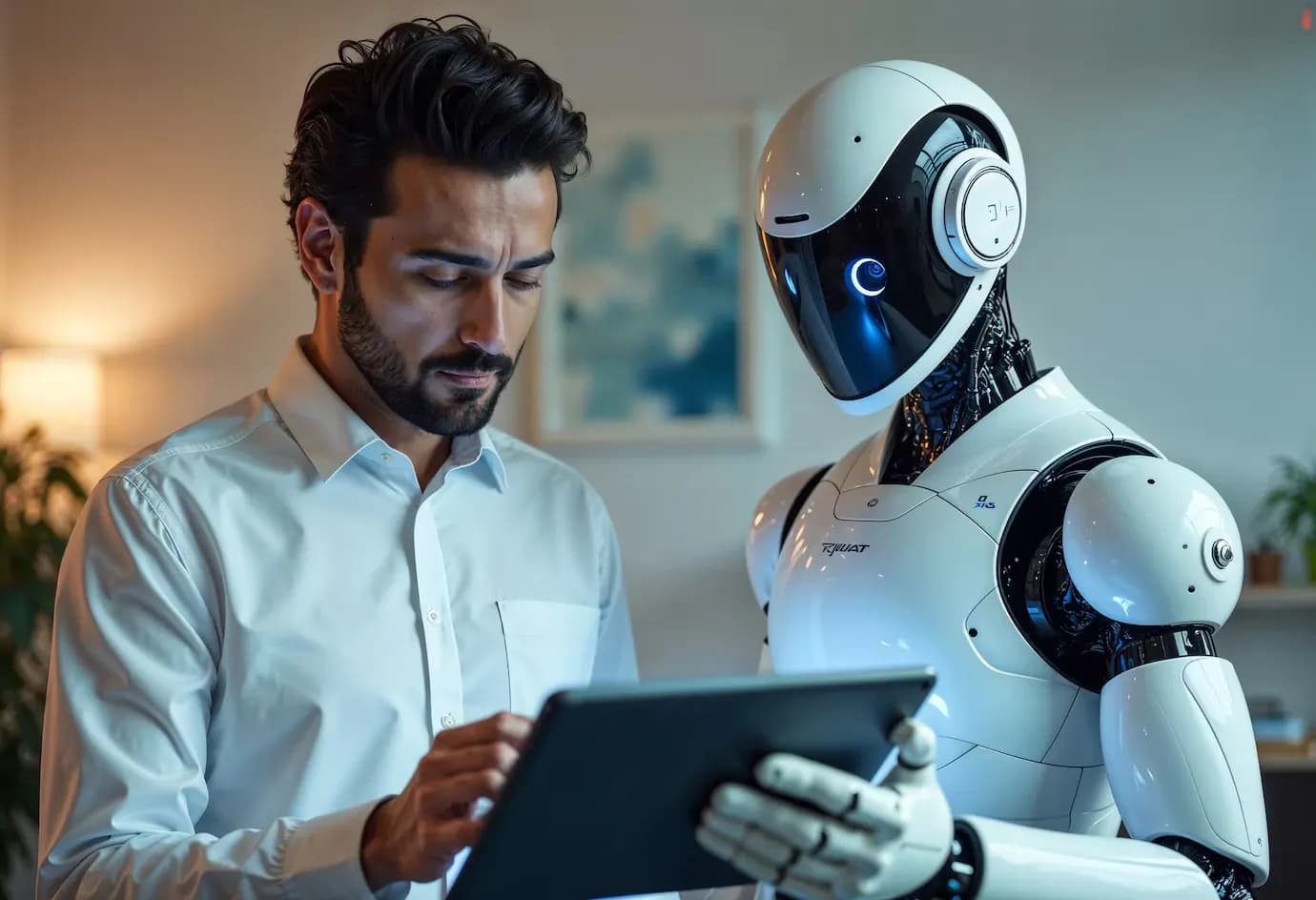
But then comes AI, strutting in with its brainpower to make decisions on the fly, something straight out of a sci-fi movie. It’s kind of like comparing your basic coffee maker (automation) to one of those high-end ones that remembers how strong you like your morning brew (AI). And let me tell you, executives are catching on fast; 84% believe AI is their golden ticket to growth while only 60% sing praises for automation tech.
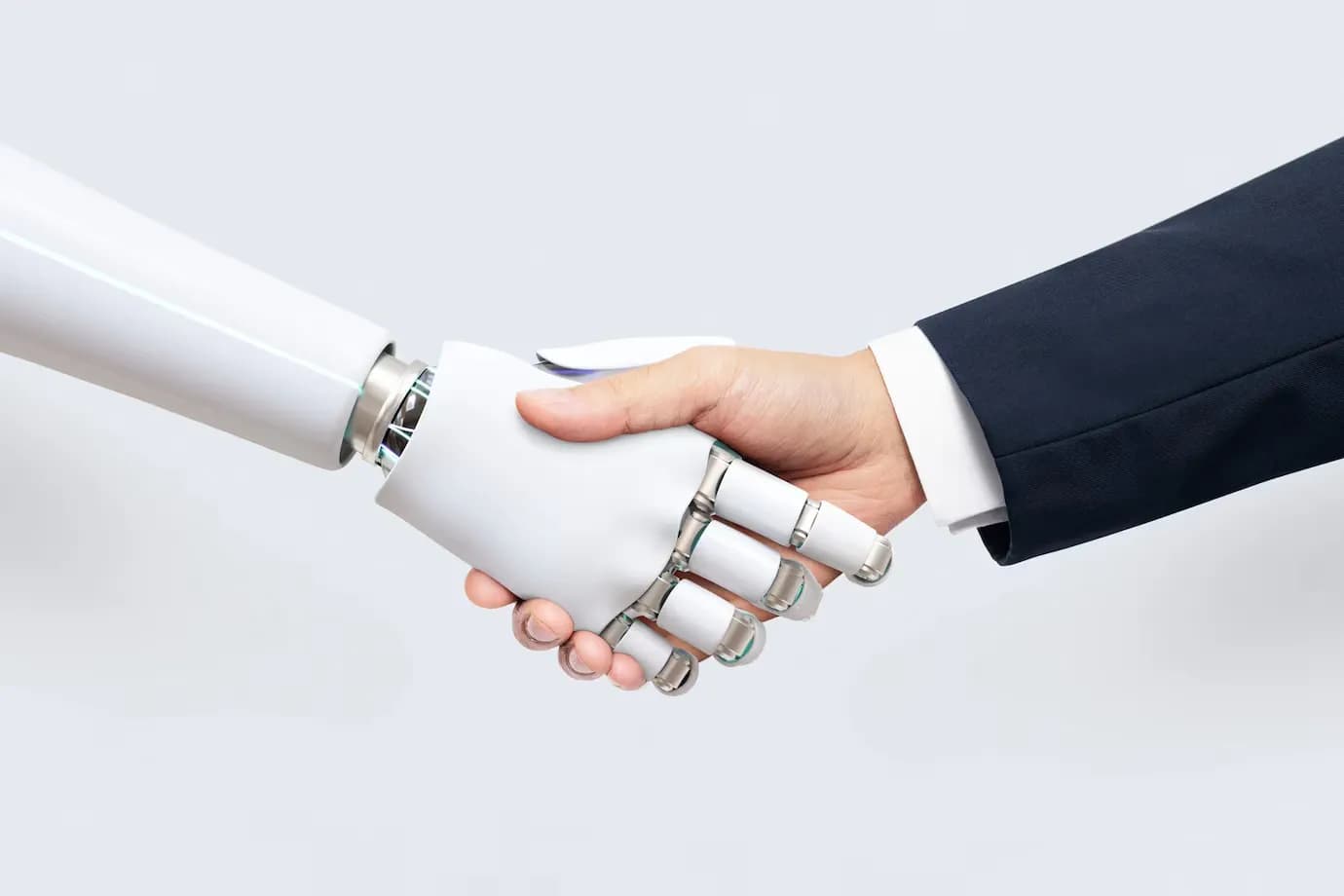
Now blend them together, it’s not peanut butter and jelly but close enough for business productivity. With both players on your team, suddenly there's this synergy where machines handle tasks from simple customer inquiries right up to complex decision-making processes without needing a human every step of the way. Imagine an office where HR issues get solved before they even become problems or engineering hurdles cleared overnight by intuitive software solutions, welcome to intelligent automation.
Automation Efficiency Unveiled
You thought automation was just about cutting corners? Brandix merely adopted Microsoft 365 Copilot and voila, their executive staff's productivity soared without burning the midnight oil. Or take C3IT; they whipped up a tool with this software that lets project managers churn out documents like it's nobody’s business, 30% faster!
And don't get me started on how Embee tailored plugins to make work feel less like, well, work, with GitHub Copilot validating code as if having an invisible expert shoulder-surfing but in a good way. Meanwhile, Infosys discovered using GitHub for bug fixes or features isn't just fast, it’s quality stuff we're talking here. InMobi is streamlining workflows with Azure AI.
Paytm is increasing efficiency with Code Armor for securing cloud accounts.
The Role of Machine Learning
Machine learning, a subset of AI, is essentially teaching computers to learn on their own. Think about it as setting up dominoes; you meticulously place them in a row so when one falls, the rest follow perfectly without needing you to push each individually. Consider Narrow Artificial Intelligence (NAI), which we're all buzzing about lately.
It's like training your dog to fetch, specific commands for specific actions but don't expect philosophical discussions from your pup post-fetching spree! These systems operate within constrained contexts and are far from conjuring complex human-like cognition or consciousness. ChatGPT defined itself as an NAI adept at crafting text that feels eerily human. It digests massive data sets to predict what word naturally follows another in sentences.
However captivating this might seem, remember these digital prodigies can't pivot beyond their programming confines just yet, like IBM’s Watson acing Jeopardy but stumbling if asked to switch games mid-way through chess moves.
Impact on Job Landscapes
Let's get real for a minute. The job scene isn't what it used to be, and AI is largely to blame, or thank, depending on how you look at it. Gone are the days when repetitive tasks hogged up all your time; now we've got machines for that, making everything more efficient but also shaking things up in the employment world.
Think about manufacturing workers transitioning from manual labor to babysitting robots, quite the career shift, right? And then there’s this whole new breed of jobs like AI programmers scrambling around high-tech factories probably never seeing daylight. Creativity and adaptability are essential for career survival today.
Automation has eliminated some roles but created opportunities in data analytics and machine learning. If you're not leveling up your skills with courses or workshops, you know, dipping into data visualization certs or getting chummy with programming languages, you might just find yourself playing catch-up. It boils down to embracing these changes head-on because let's face facts: nobody wants to be that person left behind wondering where their job scampered off to amidst an AI revolution.
Beyond Repetitive Tasks
Beyond repetitive tasks is where intelligent automation (IA) truly shines. It's like giving superpowers to the mundane aspects of business operations, combining artificial intelligence (AI), robotic process automation (RPA), and more into a formidable efficiency machine. Think about it; AI doesn't just follow rules, it plays chess with data, making moves based on patterns it sees.
So when you hear that RPA can free up human resources for strategic thinking by handling routine digital chores, add AI into the mix and you've got bots learning on the job. That’s child’s play for IA systems training private AI models to not only classify but extract critical info without breaking a sweat. Even customer service gets an upgrade as these technologies pair up to streamline everything from return processes at Leroy Merlin to underwriting tasks at global insurers like CNA, improving satisfaction while cutting costs significantly.
And let's not forget banks such as NatWest accelerating governance with IA, turning days-long processes into mere minutes, demonstrating how beyond simple task automation lies a realm of immense potential waiting to be unleashed by savvy enterprises.
Data Analysis Deep Dive
Data analysis really kicks into high gear when you mix automation with a sprinkle of AI and machine learning. For starters, think about how Google Maps makes your morning commute less of a headache by predicting traffic jams before they even happen. It's not magic; it’s just smart technology at work, evaluating huge chunks of data in real time to save you from being late to that all-important meeting.
Then there’s the whole chatbot revolution in customer service, gone are the days when bots could only parrot back pre-written answers to expected questions. Nowadays, thanks to advancements in natural language processing (NLP), these bots can handle curveball queries without batting an electronic eyelid or needing human intervention every five minutes. Automation has been a lifeline for tasks like sifting through contracts or flagging risky investments.
Sometimes it results in false positives, but no system is perfect initially. And then enters AI-powered anomaly detection; smarter tools capable of reducing those awkward moments where perfectly okay transactions get flagged as suspicious, because if something doesn’t quite fit the pattern learned from mountains of historical data? Well it probably deserves a closer look.
Strategic Decision-Making with AI
Strategic decision-making with AI, think of it like a high-stakes game of Starcraft 2. If your opponent zigs, you zag, only in this case, the "opponent" could be market trends or complex data streams and your "units" are algorithms trained on vast pools of information. The core capabilities these systems need?
Think big brain energy: modeling other agents using predictive techniques, optimizing actions to rake in that sweet expected payoff (we're talking utility maximization here), and adapting strategies based on new intel because surprise moves keep things spicy. Take Cicero for instance; not just any old algorithm but a master negotiator pulling more than double the average human score in Diplomacy. No small feat considering this requires understanding nuanced human communication across over 40 million messages!
Unlike its siblings Pluribus and AlphaZero that honed their skills through relentless self-play and reinforcement learning gymnastics, Cicero's secret sauce is digesting those millions of real gameplay interactions. What does all this wizardry mean for strategic decision-making? We're moving toward a world where AI navigates uncertainty with finesse.
It's like deciding if going full Goliath against Protoss air units will succeed or fail. And as much fun as mastering virtual battlefields can be, imagine applying similar prowess to outmaneuver competitors or predicting economic shifts before they happen.
Synergy in Modern Industries
You've likely been bombarded with tales of AI doing everything from brewing your coffee to possibly taking over the world. Let's be real: while enterprises are drooling over the shiny potential of agentic AI, there’s a chasm between its market portrayal and actual capability. These so-called autonomous systems that boast about ditching human oversight?
Yeah, they still rely on humans to set goals and pull strings behind the scenes like some tech-based puppet show. The truth is, most agentic AIs follow a script; they're not improvising or making strategic decisions on their fly based on unscripted events in our oh-so-predictable lives. And those automated decision-makers ready to kick us out of our jobs?
Hold off sending those goodbye emails because these agents need more than just an algorithmic pep talk before navigating complex environments without tripping over ethical dilemmas. Despite what buzzwords would have you believe, we’re pretty far from handing the reins completely over to machines that can independently tackle wide-scale challenges across industries. The synergy dream of AI in modern industry depends on merging technology with human insight. This requires both grace and strategy, and perhaps more patience than initially thought.
Businesses must understand true capabilities versus hype-filled aspirations to achieve efficiency. This helps avoid falling flat with unrealistic expectations.
Future Trends in Tech Integration
You think AI and automation are just buzzwords? As we edge closer to a future where technology blends into every aspect of our lives, the once-clear lines between artificial intelligence (AI) and automation blur further. Take low-code platforms; they're not just for IT nerds anymore.
Now, anyone from your finance team to supply chain managers can whip up an AI-driven workflow without breaking a sweat or their brain. Oh, but let's talk about those autonomous AI agents that seem straight out of sci-fi movies. Imagine financial bots sniffing out fraud faster than you can say "unauthorized transaction" – all happening while humans focus on.
Well, more human things. Gartner spills the beans: 92% of CIOs are betting big on these tech marvels by 2025 yet half scratch their heads over proving its worth. But here’s where it gets juicy: Automation islands are sinking as enterprises sail towards unified systems promising smooth sailing across business apps and legacy tools alike - because who enjoys being stuck in integration hell?
The real kicker is how this paves way for innovation instead of drowning us in technical debt. And if you’re part of an IT crew wondering what's next with hands thrown up in despair amid rapidly evolving technologies - fret less! Auditing your automated landscapes thoroughly ensures no stone unturned.
Empowering diverse teams and pairing with experienced leaders steers toward success in 2025's unpredictable waters. So yes, chuckle at the hype train but don’t miss hopping onto strategic implementation express, it might just amplify what makes us irreplaceably human amidst machines’ rise.
Challenges of Implementing Both
You think implementing both AI and automation is a walk in the park? The first hurdle you'll hit's the sheer lack of strategic vision for AI opportunities. Everyone loves jumping on the tech bandwagon without pausing to consider how it fits into their grand scheme.
Then there’s this gem: not having enough individuals who actually know what they’re doing with AI - because, surprise, training or hiring experts isn’t exactly cheap or easy. And oh, if you thought that was fun, wait until privacy concerns enter the chat due to all that sensitive data your shiny new system processes; hope you're good at soothing nerves and explaining encryption at parties! Lastly, let's not forget trying to marry your new love (AI) with your old flame (legacy systems); turns out integrating them smoothly requires more than just a hopeful swipe right.
Ethical Considerations Explained
Oh, the ethical conundrum. Let's talk about blending AI and human strengths without sugarcoating it. Sure, AI is a whiz at crunching data and complex calculations that make our heads spin.
Meanwhile, we humans hold the crown for creativity and emotional smarts, no contest there. Mix 'em up to boost efficiency like never before but here comes the kicker: not everyone’s ready for this tech tango. Upskilling suddenly isn't just nice-to-have; it's survive-or-sink in this automation wave where jobs aren’t just changing, they're completely transforming or disappearing into thin air!
So yes, while aiming for innovation's peak seems noble, remember, the road there needs paving with real skills training lest we trip over our own ambitions.
Oh, let's wrap this up with a neat little bow, shall we? The difference between AI and automation is like night and day. Automation does the grunt work, repetitive tasks without breaking a sweat.
Then there's AI, the brainy show-off that learns on the job to make smarter decisions over time. Get it straight; while both can save you from mundane tasks, only AI adapts and gets sharper with each passing task. So next time someone confuses them, give them this nugget of wisdom, you're welcome!
%2520(1).webp&w=2048&q=75)
%2520(1).webp&w=2048&q=75)