

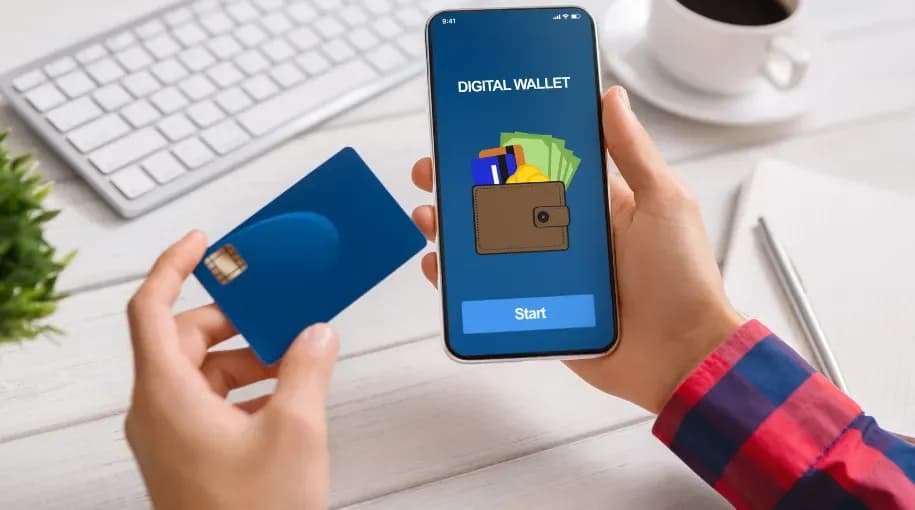
No one talks about it at first but every crypto builder knows the moment it becomes real: when wallet security breaks, everything else stops.
Why Wallet Security Still Keeps Builders Up at Night
Even with all the innovation in blockchain and DeFi, one issue just won’t go away. Wallet security. For anyone holding digital assets like Bitcoin, Ethereum, or tokens, wallets aren’t just tools. They’re targets. And when a wallet gets compromised, there’s no undo button. The damage is real, immediate, and often permanent.
So why is it still so hard to build truly secure wallets? Developers face a shifting threat landscape, a constantly evolving tech stack, and users who don’t always follow best practices. It’s a tough combination and a costly one. From phishing traps to poor key management, digital wallet security issues continue to challenge even the most experienced teams.
In this post, we’ll explore how to secure your crypto wallet in the face of these threats. We’ll break down the most common and dangerous risks, why they persist, and what teams can actually do to stay ahead. With real examples, data-backed insights, and clear strategies, this guide is designed to help you build safer crypto experiences from the first line of code to the final release.
The Growing Importance of Wallet Security in the Crypto Ecosystem
The rise of cryptocurrencies and DeFi has made wallets indispensable for managing digital assets. According to a 2024 report by Chainalysis, over $3.7 billion was lost to crypto-related hacks, with wallet vulnerabilities accounting for a significant portion. As more users adopt blockchain wallet protection strategies, wallet builders face mounting pressure to deliver robust security without compromising user experience.
Why Wallet Security Matters
- Irreversible Transactions: Unlike traditional banking, blockchain transactions are permanent, making recovery from hacks nearly impossible.
- High-Value Targets: Wallets often store substantial sums, attracting sophisticated cybercriminals.
- User Trust: A single breach can damage a wallet provider’s reputation, as seen in the 2022 Ronin Network hack, where $625 million was stolen due to compromised private keys.
- Regulatory Scrutiny: Governments are increasingly demanding stringent security measures for crypto platforms.
A secure wallet isn’t just a technical requirement ,it’s a commitment to protecting users’ financial freedom in a decentralized world.
Common Security Issues in Crypto Wallets
Understanding the common security issues in crypto wallets is the first step toward addressing them. Below, we outline the most prevalent threats and their implications.
1. Private Key Vulnerabilities
The private key is the gateway to a user’s funds. If compromised, attackers gain full control. Common issues include:
- Weak Key Generation: Poorly designed algorithms can produce predictable keys.
- Storage Risks: Storing keys on unsecured devices or servers increases exposure.
- Phishing Attacks: Users may unknowingly share keys through fake websites or emails.
Real-World Case: In 2023, a phishing attack targeting MetaMask users led to losses of over $10 million. Attackers tricked users into revealing seed phrases via fraudulent login pages.
2. Lack of End-to-End Encryption
End-to-end encryption ensures that data remains secure from sender to receiver. Many wallet apps fail to implement this, leaving sensitive information vulnerable during transmission.
3. Smart Contract Exploits
DeFi wallets often interact with smart contracts, which can contain vulnerabilities. A 2022 study by Trail of Bits found that 60% of audited smart contracts had critical security flaws.
4. User Interface (UI) Exploits
Attackers exploit poorly designed UIs to trick users into approving malicious transactions. For example, fake wallet apps mimicking trusted brands have led to significant losses.
5. Insufficient Multi-Signature Protections
Multi-signature wallets require multiple approvals for transactions, adding a layer of security. However, many wallets lack this feature or implement it incorrectly, leaving users exposed.
Callout: The 2021 Poly Network hack, where $611 million was stolen, highlighted the dangers of inadequate multi-signature wallet controls.
Why Security Remains the #1 Challenge for Wallet Builders
Despite advancements in blockchain application security, wallet builders face unique challenges that make secure crypto wallet development complex.
1. Balancing Security and Usability
Users demand seamless experiences, but robust security often requires additional steps, such as multi-factor authentication (MFA) or hardware wallet integration. Striking this balance is difficult.
2. Evolving Threat Landscape
Cybercriminals continuously adapt, exploiting new vulnerabilities. For example, social engineering attacks targeting DeFi wallet safety have surged by 40% since 2022, according to CipherTrace.
3. Decentralized Nature of Blockchain
Unlike centralized systems, blockchain wallets operate in a trustless environment, making it harder to implement traditional security measures like chargebacks or account recovery.
4. Regulatory and Compliance Pressures
Wallet builders must navigate varying global regulations, such as KYC/AML requirements, while maintaining the decentralized ethos of crypto.
5. Resource Constraints
Smaller development teams often lack the resources to conduct thorough security audits, leaving their wallets vulnerable to attacks.
Solutions to Enhance Wallet Security
To overcome these challenges, wallet builders must adopt a multi-layered approach to crypto wallet security. Below are actionable strategies to create secure wallets that inspire confidence.
1. Strengthen Private Key Management
- Use Secure Key Generation: Implement cryptographically secure random number generators (RNGs) to create unpredictable private keys.
- Cold Storage Integration: Encourage users to store keys offline using hardware wallets or air-gapped devices.
- Seed Phrase Education: Educate users on securely storing seed phrases, avoiding digital storage or sharing.
Pro Tip: Tools like Shamir’s Secret Sharing can split seed phrases into multiple parts, requiring a subset to reconstruct the key, enhancing blockchain wallet protection.
2. Implement End-to-End Encryption
Adopt end-to-end encryption for all data transmissions, ensuring that private keys, transaction details, and user data remain secure. Use protocols like TLS 1.3 for robust encryption.
3. Enhance Smart Contract Security
- Conduct Regular Audits: Partner with reputable firms like Quantstamp or OpenZeppelin to audit smart contracts.
- Use Formal Verification: Apply mathematical proofs to verify contract logic, reducing vulnerabilities.
- Leverage Bug Bounties: Offer rewards for ethical hackers who identify flaws, as seen with Ethereum’s bug bounty program.
4. Adopt Multi-Signature Wallets
Integrate multi-signature wallets to require multiple approvals for transactions. For example, Gnosis Safe uses multi-sig to secure DeFi assets, reducing single-point failures.
Real-World Case: After adopting multi-sig wallets, the Compound protocol reported a 50% reduction in unauthorized transaction attempts.
5. Improve User Interface Security
- Clear Transaction Prompts: Design UIs that clearly display transaction details, preventing users from approving malicious requests.
- Anti-Phishing Measures: Implement domain verification and user alerts to detect fraudulent apps or websites.
- Biometric Authentication: Add fingerprint or facial recognition for an additional layer of DeFi wallet safety.
6. Educate Users on Security Best Practices
- Provide Tutorials: Offer guides on avoiding phishing scams and securing seed phrases.
- In-App Alerts: Notify users of suspicious activities, such as multiple login attempts.
- Community Engagement: Host webinars or forums to discuss security risks in wallet apps.
Callout: A 2024 survey by Coinbase found that 70% of crypto users would switch to a wallet with better security features, underscoring the value of user education.
7. Leverage Advanced Technologies
- Zero-Knowledge Proofs (ZKPs): Use ZKPs to verify transactions without exposing sensitive data, enhancing privacy and security.
- Decentralized Identity (DID): Implement DID to give users control over their identity, reducing reliance on centralized servers.
- AI-Powered Threat Detection: Use machine learning to detect and flag suspicious activities in real-time.
Real-World Success Stories in Wallet Security
Case Study 1: Ledger’s Hardware Wallet Security
Ledger, a leading hardware wallet provider, has prioritized secure wallet design by integrating cold storage and secure chips. After a 2020 data breach exposed user information, Ledger implemented stricter end-to-end encryption and improved UI alerts, reducing phishing incidents by 60%.
Case Study 2: Trust Wallet’s Multi-Signature Integration
Trust Wallet introduced multi-signature wallets in 2023, allowing users to require multiple approvals for high-value transactions. This feature, combined with regular smart contract audits, has made Trust Wallet a go-to for DeFi wallet safety.
Case Study 3: MetaMask’s Security Overhaul
Following the 2023 phishing attacks, MetaMask enhanced its blockchain application security by adding biometric authentication and real-time phishing alerts. These changes reduced user-reported losses by 45%.
The Future of Wallet Security
As the crypto industry grows, wallet security will continue to evolve. Emerging trends include:
- Quantum-Resistant Cryptography: Preparing for quantum computing threats to current encryption standards.
- Decentralized Key Management: Allowing users to manage keys through decentralized networks, reducing reliance on single providers.
- AI-Driven Security: Using AI to predict and prevent attacks before they occur.
By staying ahead of these trends, wallet builders can create secure crypto wallets that withstand future threats.
FAQ: Addressing Common Wallet Security Questions
Q: What is wallet security, and why is it important?
A: Wallet security refers to the measures taken to protect crypto wallets from unauthorized access, hacks, or theft. It’s critical because blockchain transactions are irreversible, and a breach can lead to permanent loss of funds.
Q: How can I ensure my crypto wallet is secure?
A: Use a secure wallet with end-to-end encryption, enable multi-signature wallets, store private keys offline, and stay vigilant against phishing attacks.
Q: What are the most common security risks in wallet apps?
A: Security risks in wallet apps include private key exposure, phishing attacks, smart contract vulnerabilities, and lack of end-to-end encryption.
Q: How do multi-signature wallets enhance DeFi wallet safety?
A: Multi-signature wallets require multiple approvals for transactions, reducing the risk of unauthorized access and improving DeFi wallet safety.
Q: What steps can wallet builders take to improve blockchain application security?
A: Builders should implement end-to-end encryption, conduct regular smart contract audits, integrate multi-signature wallets, and educate users on blockchain wallet protection.
Conclusion: Building a Safer Future for Crypto Wallets
Wallet security remains the #1 challenge for wallet builders due to the high stakes of crypto transactions and the evolving threat landscape. By addressing common security issues in crypto wallets, adopting advanced technologies, and prioritizing user education, builders can create secure crypto wallets that foster trust and drive adoption.
At Levitation, we’re committed to advancing blockchain application security and empowering users with secure wallets. By implementing the strategies outlined above, we can collectively build a safer, more resilient crypto ecosystem.
Are you a wallet builder looking to enhance crypto wallet security? Contact us today to explore our cutting-edge solutions for blockchain wallet protection and DeFi wallet safety.
.webp&w=2048&q=75)