
%2520(1).webp&w=2048&q=75)
Ever opened an app and felt compelled to tap a shiny button? Or scrolled TikTok at 3 a.m., convincing yourself, Just one more video, only to look up and realize the sun is rising? That’s not a lack of self-control, my friend. That’s UX psychology in action, using psychological principles to hijack your mental processing power and keep you hooked.
Designers in 2025 aren’t just picking pretty colors and slapping on animations. They’re behavioral scientists, crafting user experiences so engaging they could trick a robot into having FOMO.
The power of psychology in UI design has turned apps into web design masterpieces, ones that tap into your working memory, exploit cognitive biases, and weaponize selective attention. In fact, over 70% of top apps now rely on experimental design psychology to reduce cognitive load, leverage gestalt principles, and use common design patterns that make quitting nearly impossible.
Take color psychology in UI design, ever wondered why that "Buy Now" button is always red or orange? Color psychology design isn’t random; those shades trigger urgency and excitement.\
Or how about the goal gradient effect, where apps make progress bars fill up just enough to push you to complete a task? It’s all backed by psychological theory, tapping into your human mind’s natural love for completion.
Even graphic design plays a role in this digital enchantment. Visual hierarchy, proximity, and visual cues guide your perception and subtly nudge you toward certain things, like hitting “Subscribe” before you even realize what you’ve done. And don’t get us started on mental models, the reason you instinctively know where to find the menu button in any app. That’s theory meets usability at its finest.
In the world of design, these tricks aren’t just for fun, they’re a blueprint for keeping users engaged. Companies pouring millions into research design psychology know that mastering the fundamentals of psychology means better retention, better performance, and better revenue. Want proof? Just look at case study design psychology, where companies that optimize for usability effect see massive engagement spikes.
So, what’s the importance of all this? Simple: Usability experts know that product design isn't just about aesthetics, it’s about human behavior. The better an app understands motivations, the more addictive it becomes. That’s why mastering the design game means blending basic principles with design principles, psychological principles, and a deep understanding of mental effort.
The future of user interfaces isn’t just about aesthetics, it’s about knowledge, performance, and making users feel like they’re in control… while actually being led down a perfectly optimized engagement funnel. Decisions aren’t always as free as they seem, and in the world of product or experience design, the most addictive apps are the ones that make you feel like you’re choosing to stay, even when you really should be sleeping.
Addictive Design Psychology in Action
Ever wonder why you can’t stop scrolling, tapping, and clicking, even when you know you should? That’s not an accident. It’s UX design psychology working overtime, making sure you stay glued to your screen like a kid with unlimited arcade tokens. And trust us, it’s no happy accident, it’s a calculated masterpiece built on the key principles of engagement, the role of psychology, and just a sprinkle of digital sorcery.
First up, the layout. Every button, every animation, every tiny interaction is crafted using principles of design in graphic design and usable designs that make it ridiculously easy (and tempting) to keep going. That glowing progress bar? A little trick from visual perception and attentional bias, your brain needs to see what happens when it’s full. Those animated pop-ups hyping you up like a personal cheerleader? That’s the psychology of UX design at work, tapping into the general principles of motivation.
Now, behind the curtain, a digital illustration of pure data magic unfolds. Every tap, every hesitation, every tiny decision you make is logged, analyzed, and used to tweak the experience. The goal? To make sure the next time you visit, the UX feels even more intuitive, like it knows you. Because, well, it kind of does.
Of course, none of this works without a deep understanding of the psychology of UX design and UX design psychology. The best designers don’t just create pretty screens; they master the design process, using design methods psychology to make interfaces feel effortless. It’s all about the act of communication, getting you to take action without thinking twice. That’s why the concept of good UX isn’t just about looks; it’s about tapping into human behavior.
But let’s be real, when UX is too good, it becomes dangerously addictive. A perfectly placed notification at just the right moment? You’re hooked. Endless scroll that keeps feeding you related information? Say goodbye to the next three hours. And when an app doesn’t nail these principles from psychology, you feel it, frustration creeps in, and suddenly, that app’s in the digital graveyard of forgotten downloads.
So next time you find yourself deep in an app, unable to put it down, just know, you’re experiencing the psychology logo design of UX in action. Confidence boost? You bet. But also, maybe set a screen time limit. Your battery (and your sleep schedule) will thank you.
Key Takeaways
- UX in 2025 is a brain ninja, fast, sneaky, and oh-so-addictive.
- Over 70% of apps use design psychology to keep you scrolling.
- Dopamine’s the MVP, turning clicks into cravings.
- It’s not just pretty, it’s profit-driven mind games.
- Your attention’s the prize, and designers are winning.
The Evolution of Design Psychology: From “Meh” to “More!”
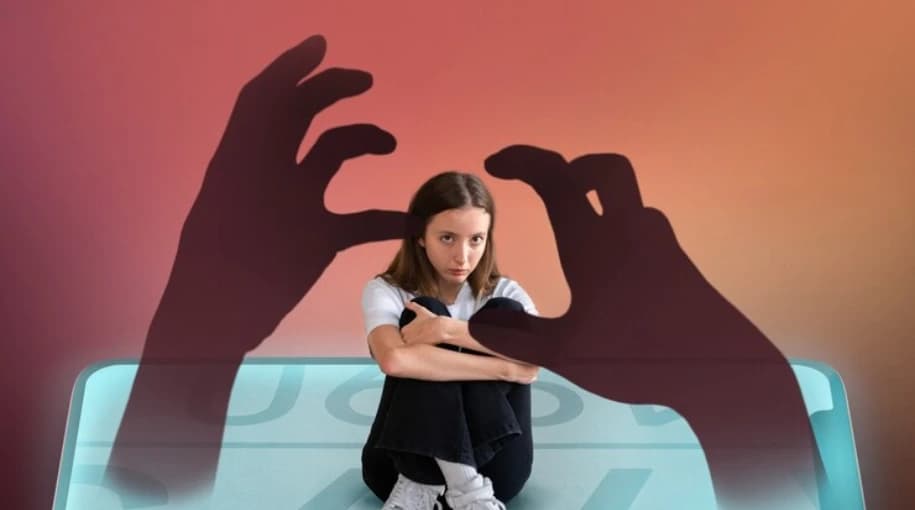
Design psychology used to be a background character in the grand drama of tech. Now? It’s the lead villain, the mastermind pulling the strings behind every tap, scroll, and “just one more minute” app binge. What started as basic color choices and button placements has turned into a full-blown science of manipulating your attention span. And let’s be honest, it works.
From Clueless Clicks to Calculated Cravings
- The ‘90s: Websites looked like someone threw together random visual elements in MS Paint and called it a day. Ugly? Yes. Functional? Barely.
- 2010s: Apps started getting clever. Gamification turned learning into an obsession (looking at you, Duolingo and your guilt-tripping owl).
- 2025: AI-driven neural mapping predicts your next tap before you even know what you want. Creepy? Absolutely. Effective? 1000%.
Why Designers Are Obsessed with Your Brain
Designers aren’t just throwing pretty items on a screen and calling it a day. They’re using psychology, data, and sneaky skills to make apps feel like a second home. Why? Three reasons:
- Cash Grab: Addictive UX slashes bounce rates by 30%. More time spent = more dollars earned.
- User Love: 70% of users prefer apps that feel good, like a warm hug, except digital.
- Bragging Rights: Designers live for that flex: “Our app’s got a five-hour daily average!” Translation? “We’ve hijacked your brain, and you love it.”
The Role of Gestalt Principles, Proximity, and Attention in Winning UX
Spotify’s “Wrapped” is basically digital crack, you wait all year for that personalized content. Instagram’s infinite scroll? It’s the reason your bedtime is a joke. And in 2025, this kind of design mastery is what separates winning apps from the ones collecting dust in the app graveyard. Studies show that perfecting these creations can boost user retention by 20%. Slack’s genius “You’re all caught up” trick? That’s not just good UX, it’s psychological warfare, and guess what? You keep coming back for more.
Design Psychology, Cognitive Load, and the Visual Hierarchy Behind UX Addiction
Here’s the lowdown on how UX turns you into a scroll zombie, seven sneaky tricks, no PhD required.

- Amazon: One-click buy? Your wallet’s toast.
- Google: Subtle nudges so good you don’t notice ‘em.
- Duolingo: That owl’s not cute, it’s a FOMO monster.
By mixing neuroscience, AI, and a dash of evil genius, designers turn apps into crack. Efficiency? Sure. Stickiness? Hell yes.
Cognitive Biases, Usability, and How UX is Rewiring Your Brain
UX isn’t just helping you, it’s rewiring you. And not by accident. Every app you use is designed to keep you coming back, whether you realize it or not.
Dopamine Loops and Reward Systems
What? – Every notification, badge, or virtual high-five delivers a little hit of dopamine, the brain’s way of saying, “Nice job, do it again.”
Why? – Social media apps turned you into a lab rat chasing digital treats. Twitter (or whatever it’s called now) mastered this ages ago. Like, retweet, repeat.
2025 Twist – AI is about to make this personal. Apps will read your mood and adjust rewards accordingly. Feeling down? Expect extra “you’re amazing” notifications. Creepy? Absolutely. Effective? No doubt.
FOMO Triggers and Social Pressure
What? – “Everyone’s doing it!” Every app screams this in some way. And your brain listens.
Why? – Snapchat’s streaks? That’s not just a fun feature, it’s a psychological leash. Miss a day, and the guilt is real. Congrats, you’re officially owned.
2025 Twist – Real-time pings when your friends are online. You could log off, but now you know they’re all hanging out without you. Your move.
Progress Bars and Completion Urges
What? – You’re 80% done. Just a little more. You’re so close. Might as well finish, right?
Why? – LinkedIn’s “complete your profile” nags you until you cave. And once you hit 100%, they’ll just find another thing for you to do.
2025 Twist – Gamified everything. You won’t just finish tasks, you’ll “level up” in apps like it’s a video game. Welcome to the never-ending quest for digital validation.
“You’re not addicted; you’re just almost done.” Every Progress Bar Ever.
The Sneaky Science: Why You Can’t Quit
Behavioral Hooks That Stick
- Variable Rewards – It’s the same trick that keeps people glued to slot machines, sometimes you win, sometimes you don’t. TikTok’s algorithm is basically a jackpot machine, keeping you swiping for that one perfect video. Spoiler: it never ends.
- Loss Aversion – “Only 2 left in stock!” “Sale ends in 5 minutes!” Amazon’s countdown timers don’t just nudge you, they shove you straight into panic-buying mode. Your willpower never stood a chance.
- Social Proof – “5 million users can’t be wrong!” Actually, they can, but your brain doesn’t care. If Uber, Airbnb, and every other app flex their user numbers, you’ll believe they’re the best, even if you’re still waiting for your driver.
Emotional Design in 2025
- Colors – Red means “urgent,” “buy now,” and “oops, I just spent my rent money.” Every e-commerce site knows this. Ever wonder why sale tags scream in red? Now you know.
- Vibes – Cozy fonts, soft colors, and images of real people laughing with real friends? That’s Airbnb lulling you into a warm, fuzzy, take-my-money trance.
- Micro-Magic – That little whoosh sound when you send an email? Pure psychological trickery. Gmail knows that tiny dopamine rush keeps you coming back for more.
Personalization: Your App, Your Trap
- What? – Netflix’s “Because you watched…” feature is less of a recommendation and more of a you’re-never-leaving contract.
- Why? – AI knows exactly what you can’t resist, cat videos, crime docs, or conspiracy theories. Whatever your poison, it’s served up on a silver platter.
- 2025 Edge – Forget generic suggestions. Apps will soon tweak content based on your mood. Feeling down? Here’s a rom-com. Had a rough day? Maybe some ASMR. Creepy? Yes. Effective? Absolutely.
Future Innovations: UX That’ll Own You
🧠 Brain-Computer Interfaces
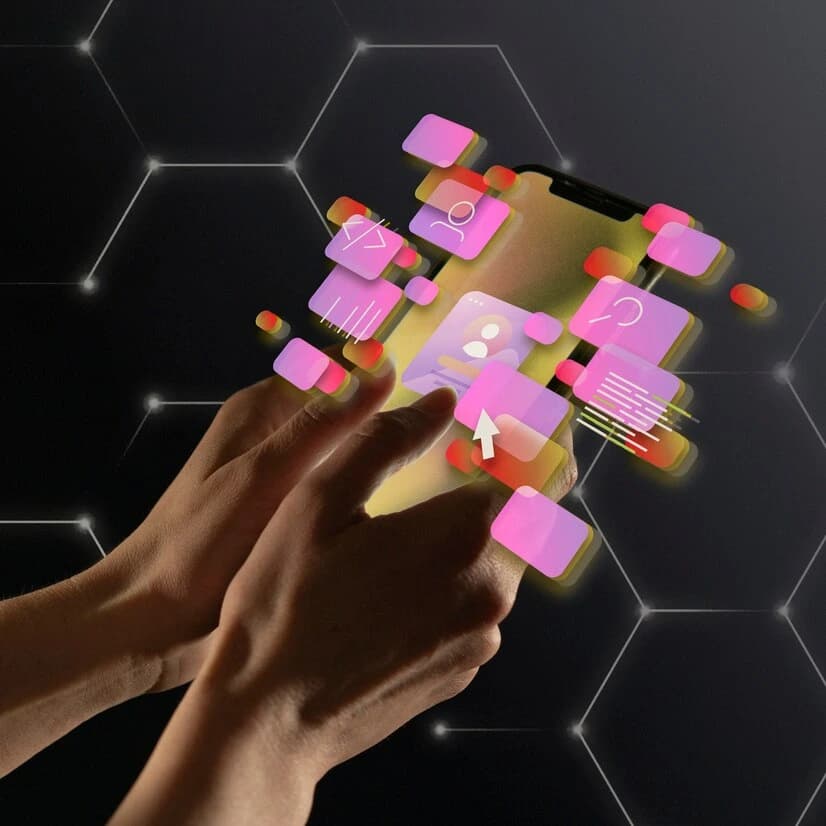
Imagine thinking “open app”—and poof, it’s there. No taps, no swipes, just brainwaves doing the heavy lifting. Meta’s already tinkering with this, so in a few years, your thumbs might finally get the retirement they deserve.
👓 Augmented Reality
Ever bought a couch that looked perfect online but turned out to be a space-hogging nightmare? AR fixes that. IKEA’s already letting you drop digital furniture into your living room before you buy. Next step? Probably an AR salesperson convincing you that yes, you do need that $300 lamp.
⚖️ AI Ethics (LOL, Sure)
“Responsible” UX could step in to stop your 3 a.m. doom-scroll marathons. Maybe your phone will kindly remind you that sleep exists. Will companies actually limit screen time if it means fewer ad dollars? Let’s just say we’re not holding our breath.
“The future’s not dystopian, it’s just really, really hard to put down.”
Final Takeaway
Design psychology in 2025 isn’t just science, it’s that one friend who crashes on your couch “for a few days” and somehow never leaves. Apps aren’t just tools anymore; they’re your comfort zone, your late-night rabbit hole, and, let’s be honest, the reason you forgot what you actually opened your phone for.
Why? Because UX designers have cracked the code. They know exactly how to keep you tapping, swiping until you lose track of time. These psychological tricks don’t just make apps easier to use, they make them impossible to quit. Your banking app remembers your payday better than you do, your shopping app knows when you’re feeling spendy, and your streaming service? Yeah, it’s already lined up the perfect show to keep you glued to the screen.
Of course, it’s not all sunshine and seamless interfaces. The ethics police are knocking, data privacy debates won’t disappear, and burnout is real when every app demands your attention. But let’s be honest: AI-driven interfaces, AR integrations, and even brain-computer tech are already pushing UX into fantasy . Designers aren’t slowing down, and neither are you. Like it or not, this UX party isn’t one you can ghost.
FAQ (Because You’re Still Here, Aren’t You?)
What’s design psychology in 2025?
Mind games meets UX, apps that hook you with science, not luck.
How’s it making UX addictive?
Dopamine hits, FOMO stabs, and “one more tap” traps, pure evil genius.
Any real examples?
TikTok’s scroll hell, Netflix’s binge bait, Duolingo’s owl mafia, yep.
Why should I care?
Because your attention’s their goldmine, know the game or lose your mind.
What’s next for addictive UX?
Brain chips, AR, maybe a guilt trip to log off, future’s wild, buckle up.