
.webp&w=2048&q=75)
Imagine you’re scrolling through a website, and it’s so sleek, so intuitive, that you forget you’re even online. Or you walk into a store, and every step of your experience feels like it was crafted just for you. That’s the magic of design services in 2025, and it’s not just for tech giants or fancy startups.
Whether you’re a small business owner, a marketer, or just someone who loves a good aesthetic, design services are your ticket to standing out in a world where attention spans are shorter than a TikTok video.
In 2025, design services aren't just advancing; they're getting smarter and indeed more visually appealing. With the infusion of AI, intuitive UI/UX designs, and groundbreaking responsive web capabilities, we see a revolution unrolling before our very eyes. Service design now harnesses machine learning for unparalleled customization while incorporating AR and VR to immerse users in interactive environments like never before.
The push towards eco-friendly aesthetics marks a pivotal shift in digital spaces as data-driven decisions up the ante on visual charm. Meanwhile, personalization reaches new heights thanks to smart technology enabling designers to create experiences that resonate deeply with users across various platforms making accessibility no longer an afterthought but a cornerstone of creative endeavors.
Agile methodologies fuel dynamic service offerings as design thinking injects fresh perspectives into business strategies, each aspect contributing to how incredibly refined yet practical these services have become.
Now let's explore how leveraging AI is creating bespoke solutions that redefine what's possible in design.
Leveraging AI for Tailored Design Solutions
We're living in a time where AI is no longer just a buzzword but the fabric of our design solutions. Think about it: 73% of shoppers now expect brands to get their preferences right every single time. We, at Levitation, took this seriously and hopped on the AI bandwagon for personalizing styling recommendations like never before.
By crunching numbers on style preference, size, and even location data (yeah, creepy but cool), we've gotten pretty good at predicting what outfits you'll love next. This isn't just us trying to sell more; it's about making sure when you do decide to hit that buy button again, which 56% are likely to, your choices feel made just for you. Sustainability isn't taking a backseat either.
With fashion industry sins running high, I mean come on!, 186 billion pounds of textile waste annually? Our answer was an emphatic "we can fix this" as we turned towards AI-driven tools. These tools redirect up to 70% of wastes toward recycling lanes instead of dumpsters.
And let's not gloss over how these tech leaps have fueled creativity across website designs services or ui ux design services alongside traditional service designs paths.
The fusion gives birth creations beyond imagination while aligning production with planet-positive practices because who said saving Earth couldn't look stunning? So yeah,, leveraging artificial intelligence in tailored deliverables goes way beyond keeping tabs on fleeting trends It shapes sustainability identity affirms innovative prowess company wide giving edge crucial market today.
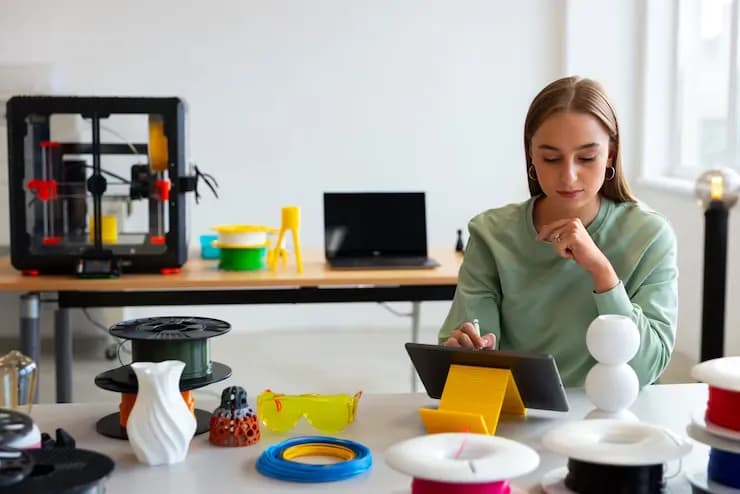
Intuitive UI/UX Designs Shape User Experience
We're living in a golden era of UI/UX design, where intuitive interfaces are no longer a luxury but the standard. Let's get real; if your platform's UX doesn't feel like it's reading users' minds by 2025, you might as well be chiseling commands into stone tablets. With AI-driven personalization leading the charge, we've seen firsthand at Levitation how these innovations have moved from nice-to-have to utterly indispensable.
It's not just about slapping some AI on your site and calling it a day either. Our development teams work closely with designers because crafting experiences that resonate on every device demands finesse, and yes, lots of data analysis. The magic happens when AI tweaks interface elements in real-time based on user behavior, think layouts morphing before your eyes or navigation adjusting itself to ensure you find what you need faster than ever before.
Retailers are already reaping benefits from such dynamic adjustments; imagine visiting an online store that rearranges its shelves just for you! And let's not even start with conversational interfaces, chatbots have come so far they can almost make small talk while solving complex queries. In essence, failing to integrate seamless interactions across devices spells trouble for any brand aiming high in 2025.
Advancements in Responsive Web Design Services
Oh, the joys of responsive web design services have definitely taken a turn for the better. We've seen firsthand how sticking to one website that magically fits all screens - from smartphones to desktops - saves us not just heaps of cash but countless hours. It's almost laughable now, thinking about those dark ages when businesses would hemorrhage money maintaining separate sites for mobile and desktop users.
Trust me; nobody misses that headache. And let's talk rankings because who doesn't want their site to be Google's best friend? With our focus on keeping things friendly across all devices, we're basically giving search engines what they crave: seamless user experiences no matter where you click from.
This isn't just about making your webpage look pretty, it's marketing gold with organic traffic spikes as a sweet bonus. The real kicker comes in knowing your audience can glide through your content whether they're tapping away on their phones or clicking through on a laptop without missing a beat, because yes, people still use those! Each visit feels familiar yet fresh regardless of the device which pumps up trust levels like nothing else.
Now imagine losing out simply because browsing felt clunky on someone's tablet, that's practically leaving money on the table. Investing in responsive web design by Levitation is an essential strategy for captivating audiences and Google. It's a smart move towards smarter spending and unbeatable digital presence.
Machine Learning Revolutionizes Service Customization
At Levitation, we've taken a keen interest in how machine learning is redefining service customization. It's fascinating to see technology evolve from needing precise human instructions for every task to machines figuring things out on their own through examples. Think about it; the process has shifted dramatically, making our work smarter and more efficient.
We feed these algorithms all types of data - be it text or visuals - and watch as they uncover patterns we'd likely miss ourselves. This capability allows us to create design solutions that aren't just beautiful but incredibly intuitive. What really gets me excited is generative AI's role in this transformation.
Unlike its predecessors focused solely on prediction or identification, generative AI steps up by producing entirely new content based on the data crunched from millions of interactions and designs inputs we provide it with daily at Levitation Designs Services division. With tools like GPT-4 entering the scene, there's an undeniable leap towards creating highly personalized experiences in ways previously unimagined, think auto-generated emails that sound exactly like you wrote them after a long brainstorming session over coffee! Yet amid innovation lies caution: ensuring accuracy while avoiding bias remains paramount as we harness these technologies.
We're thrilled yet mindful as we explore this terrain; leveraging machine learning not just for efficiency but enriched creativity brings us closer than ever before into stunningly tailored design services which truly resonate with users' needs and aspirations.
Embracing AR and VR in Interactive Design
We've been keeping an eye on how AR and VR are shaking things up, especially in design services. It's like stepping into a parallel universe where you can touch, feel, and interact with designs before they even exist in the tangible world. Imagine slipping on a VR headset to walk through a meticulously designed space that hasn't been built yet.
Using your smartphone to place virtual furniture in your living room thanks to AR sounds like sci-fi, but it's our reality at Levitation. Businesses are really getting behind this tech for its ability to bring products and spaces to life without the hefty price tag of physical prototypes. Now that's cost-effective innovation at its finest.
Think about what this means for marketing; we're talking interactive ads that not only catch your eye but invite you into an experience with just a tap or click. By integrating these technologies seamlessly into our processes at Levitation Design Services helps push boundaries further than ever imagined possible by 2025 standards, driving customer engagement through the roof while cutting costs (and who doesn't love slashing budgets). What sticks is their unparalleled potential: from transforming employee training programs with hands-on simulations, seriously beneficial when mastering complex tasks, to elevating customer satisfaction levels sky-high as shoppers try out products in virtually crafted worlds tailored specifically for them.
Eco-Friendly Aesthetics Dominate Digital Spaces
As we explore the fascinating turn design services have taken in 2025, it's hard not to marvel at how eco-friendly aesthetics are now dominating digital spaces. We've seen a significant shift towards sustainability and resource efficiency that mirrors broader societal values. Take the work of Ronan and Erwan Bouroullec, for instance.
Their approach intertwines technology with simplicity, functionality, and a steadfast dedication to environmental responsibility, all while prioritizing user diversity through ergonomic considerations. What does this mean for us at Levitation? It signifies more than just a trend; it's about embracing designs that ensure longevity and adaptability in rapidly evolving markets.
By incorporating modular systems into our offerings, whether through adaptive furniture or dynamic layouts, we're not only amplifying flexibility but also championing reduced waste protocols critical in today's circular economy ethos. In addition to modularity, integrating biophilic elements has become instrumental in enhancing aesthetic appeal as well as overall wellness, a principle deeply embedded within our creative processes here at Levitation. This aligns perfectly with current demands where smart materials combined with IoT advancements play pivotal roles.
Data-Driven Decisions Enhance Visual Appeal
We've all been there, staring blankly at a design project, wondering if we're making the right decisions. It feels like walking through a maze blindfolded. But imagine having super sharp night-vision goggles in that same maze, that's what data-driven decision-making does for us here at Levitation when enhancing visual appeal.
Suddenly, choosing colors or tweaking layouts isn't about playing pin-the-tail-on-the-donkey with our user interface anymore. We look hard at things like engagement rates and heat maps, yes, actual numbers, and let them lead the way to designs that not just look pretty but work efficiently too. Think it sounds too good to be true?
Instead of picking this season's hot neon shades for Instagram, we dig into color psychology. We A/B test variations until we find what genuinely clicks with users' brains and hearts. It turns every choice from wild guesswork into strategic moves aimed right at boosting those conversion stats while slashing customer acquisition costs down significantly.
And talk about speed, it's like hitting the fast-forward button on project timelines since debates over hues and fonts are settled by solid data rather than subjective tastes or endless team huddles. This shift towards evidence-backed creativity hasn't just souped up our design engine; it's placing bets where they count and showing real wins in ROI landings page after landing page.
Personalization Peaks with Smart Design Technology
We've seen personalization in marketing evolve, but nothing quite lights up the scoreboard like smart design technology. Let's cut to the chase: banks are now using AI to offer you what you want before even clicking "send" on your request. Imagine logging into your banking app and finding offers perfectly aligned with your recent spend patterns or life changes, yep, that's where we're headed.
Then there's omnichannel personalization, one minute you're chatting online about needing a new credit card; the next thing you know an appointment at your local branch with all details ready for discussion pops up without repeating yourself ad nauseam. It sure does, and Jackie Hudson of Verint confirms businesses seeing higher conversion rates when they nail this down. Nearly half (46%) expect more from mobile banking apps than they currently get. Additionally, 56% believe financial institutions should use their own data for personalized experiences.
Predictive engagement isn't just jargon; it catches almost missed moments, making every interaction count. Privacy-focused customization is crucial to avoid misuse and maintain trust.
Seamless Omnichannel Experiences Redefine Engagement
We at Levitation know a thing or two about the charm of seamless omnichannel experiences. It's not just about being where our customers are; it's making sure they feel like we never left their side, whether they're scrolling through their phone or flipping open their laptop. In 2025, engagement isn't just a buzzword; it's the bread and butter of design services that get smarter by the day.
Oh, and let's talk numbers because who doesn't love data? Studies show consumers interacting with brands through multiple channels retain at an impressive rate of 89% compared to those who don't. That means if you're not on board yet, you might as well be sending your customer satisfaction scores on a freefall adventure, thrilling but definitely not recommended.
And here comes the kicker: integrating these experiences is easier said than done. You think matching socks in the morning is tough? Try aligning brand messaging across five platforms before breakfast!
But fear not, this challenge is exactly what drives us nuts.in a good way.
Accessibility Takes Center Stage in Creatives
At Levitation, we've noticed something pretty obvious but often overlooked: everyone deserves access to the digital world. With over 61 million people in the U.S. And a staggering 1.3 billion globally living with disabilities, according to CDC and WHO data respectively, it's not just a nice-to-have; it's crucial.
But let's not forget about those who don't fit neatly into the 'disabled' category yet still face barriers online due to temporary or situational challenges, there are plenty of them too. Making our services accessible isn't merely ticking boxes for compliance; it enhances service quality across the board. The ADA has set clear expectations with its Title II rule on web content, larger organizations have until April 24, 2026, to align their websites and apps accordingly while facing similar directives abroad like Europe's by June next year.
Here at Levitation we're doubling down on this commitment by ensuring our design services meet these standards head-on because guess what? Accessible designs work better for everyone, period. It turns out that focusing on inclusivity can bring economic gains as well as bolster societal participation among groups previously marginalized digitally. Make your digital content universally usable, and you open up worlds of possibility.
Doing right also happens to be incredibly smart business, doesn't it?
Agile Methodologies Propel Dynamic Service Offerings
We at Levitation have seen firsthand how the Agile methodology propels our service offerings into uncharted territories of innovation and responsiveness. Ditching the old-school, rigid waterfall model that loves its hefty doses of upfront planning, we've embraced Agile's love for flexibility and speed. By breaking down projects into bite-sized sprints, it enables us to iterate quickly, constantly refining based on real feedback from users who don't like waiting till Christmas just to see if they got what they asked for in April.
Our teams are tight-knit groups where developers and designers rub elbows with testers and stakeholders throughout each sprint. This isn't your grandma's assembly line; it's more like a bustling kitchen where everyone helps whip up the final dish. Trust me, this setup cooks up solutions faster than you can say "deadline." Everyone has skin in the game because their input matters every step of the way, from initial conception through continuous delivery.
And let's not forget about adapting swiftly! Market shifts happen quicker than mood swings these days., Thanks to Agile,, we pivot without drama, This means services stay relevant while avoiding extensive reworks that drain time and money. In essence,, by keeping an ear close ground and staying light on our feet with agile methodologies,, We ensure design services aren't just smarter or prettier, they're practically future-proof.
Design Thinking Transforms Business Strategies
We at Levitation have been preaching the design-first gospel for ages, and guess what? According to research from the Design Management Institute, companies rooted in design thinking outperform their peers by a staggering 219%. That's not just impressive, it's a clear call to action. Well, it involves treating design as more than an afterthought. For us, it means pulling designers into strategy meetings from day one and making sure they're not stuck in some cubicle away from the decision-makers. Our approach is simple but revolutionary: combine hard data with creative insight right at the conception of a project.
One client ignored our advice and suffered poor user engagement across platforms. Another embraced our methods and saw task completion skyrocket by 89%. This isn't rocket science; it's acknowledging that intuitive experiences trump pretty interfaces every single time.
Breaking down silos plays its part too, just look at Google or Adobe reaping rewards by blending teams early on in product development cycles, that alone chopped Google's cycle times by 35% while boosting user adoption rates sky-high! And don't even get me started on research-driven strategies because those are gold mines waiting to be tapped; Uber's quest towards becoming a super-app leaned heavily into uncovering customer behaviors that no one saw coming. At Levitation, we prioritize rigorous testing to perfect customer experience before public release.
This mindset shift ensures successful digital transformations that truly cater to user needs.
Oh, the future looks bright, like blindingly so. By 2025, design services have turned into these genius entities that magically blend aesthetics with brainpower. Picture this: AI-driven tools that anticipate your every desire before you even click "search." It's like having a mind-reading friend who also happens to be Picasso.
Plus, everything is easier on the eyes and smarter in function, it's as if elegance married efficiency and they had beautiful tech babies. Levitation gets it; we've been riding this wave hard, making sure our designs aren't just pretty faces but full-on IQ champions too.
Challenges in Design Services
Let’s keep it real, design services aren’t all rainbows and unicorns. Here are some challenges businesses might face:
- Keeping Up with Trends: Design trends evolve faster than you can say “new font.” Staying current requires constant learning and adaptation.
- Balancing Creativity and Functionality: Designers must create visuals that wow without sacrificing usability. Too flashy, and users get confused; too plain, and they get bored.
- Measuring ROI: It’s tricky to quantify design’s impact. While conversion rates and engagement metrics help, tying success directly to design can be tough.
- Collaboration: Design often involves multiple stakeholders, from marketers to developers. Aligning everyone’s vision can feel like herding cats.
- Accessibility: Ensuring designs are inclusive for all users, including those with disabilities, requires expertise and effort.
- Technology Integration: With AI and VR on the rise, designers need to master new tools, which can be a steep learning curve.
Despite these hurdles, the benefits of design services far outweigh the challenges. By addressing these issues proactively, businesses can unlock design’s full potential.
The Final Takeaway
In 2025, design services are more than a creative outlet, they’re a strategic necessity. From AI-driven tools to immersive 3D designs, the trends we’ve explored are reshaping how businesses connect with their audiences. Whether you’re revamping your website, crafting a killer app, or streamlining your customer journey, design services can transform your brand and drive growth.
So, don’t let your business get stuck in the design dark ages. Embrace the power of website design services, UI/UX design services, and service design to create experiences that users love and competitors envy. Let’s make 2025 the year your brand shines brighter than a neon “Brat” design!
Frequently Asked Questions (FAQs)
- What are design services?
Design services include graphic design, web design, UI/UX design, and service design, all aimed at enhancing user experiences and brand identity. - Why are UI/UX design services important?
They improve usability and engagement, boosting conversions by up to 400% and reducing user churn. - What is service design?
It’s the process of designing the entire customer journey to ensure seamless, user-friendly experiences across all touchpoints. - How can businesses start with design services?
Identify your needs, partner with professional designers, and focus on user-centric solutions to maximize impact. - What’s the cost of design services?
Costs vary, with web design ranging from $1,000 to $6,000 and larger projects up to $75,000 (VWO).