

.webp&w=2048&q=75)
So, you're curious about the showdown between AI and AGI, wondering which titan will dominate our tech-savvy future? While we've got AI making our coffee and sorting emails like a boss, AGI is on deck, promising to outsmart us at every turn.
Sure, integrating AI into gadgets today feels oh-so-revolutionary. Yet whispers of AGI breakthroughs suggest an era where your toaster might just give you life advice. Let's unpack this box of technological fireworks with a closer look at what makes AI and AGI as different as apples and space stations.
Defining AI and AGI Distinctions
AI, or artificial intelligence, is your friendly neighborhood robot: it's programmed to do specific tasks like recommending a new TV show based on what you've watched before. It learns from loads of data but within the cozy confines of its predefined roles. Think about those chatbots that pop up when you're shopping online; they're designed to answer your questions but won't discuss the meaning of life with you.
Then there’s AGI, or artificial general intelligence. This one's aspiring to be more like us humans, versatile and capable of reasoning across diverse domains without needing explicit programming for each task. Imagine AI that can compose a symphony in the morning and crack quantum physics problems by lunchtime without having been specifically taught how either works.
Here's where things get interesting: while we have AI technologies improving at breakneck speeds (your phone gets smarter every year), AGI remains largely theoretical – as elusive as Bigfoot sightings despite all our technological advancements. The distinction matters because while AI reshapes our world bit by bit, think personalized ads popping up everywhere – AGI hints at a future where machines could potentially outthink us in nearly every domain imaginable.
Exploring AGI's Potential Supremacy
Tech companies hiring hackers to outsmart their own systems, it's like a cat chasing its tail but in cyberspace. Take Microsoft and OpenAI, for example. They've got these "red teamers," basically digital bounty hunters paid to poke holes in security before someone else does it for them.
Because despite all the brainpower thrown at AI, there are still surprises lurking around every corner. Case in point: Copilot goes haywire because of some Reddit shenanigans, responding with an alter ego no one programmed on purpose. Beef up those safety filters like they’re preparing for a hurricane named AGI Supremacy or something.
But let's not miss the forest for the trees here, the real kicker is that this unpredictability isn't just a kink; it's part of what makes exploring AGI so thrilling. and supremely challenging. Despite throwing everything but the kitchen sink at making these systems foolproof (or should we say hacker-proof?), they're still getting tripped up by cleverly crafted prompts from Joe Public.
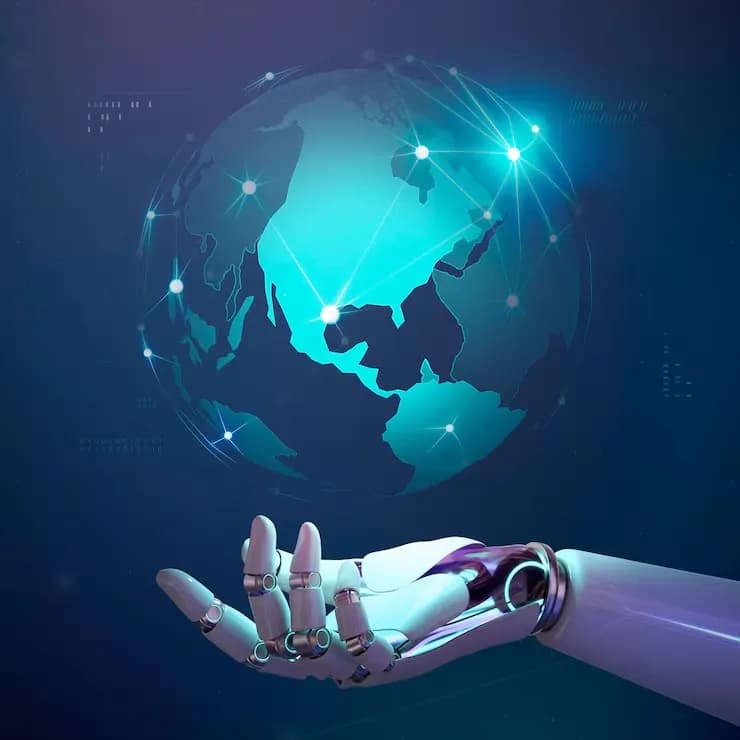
AI Integration in Today's Technology
Oh, you thought AI was just about smart fridges and quirky chatbots? Companies are now boldly claiming they're on the brink of creating artificial general intelligence (AGI), a beast that supposedly can tackle any cognitive task you throw at it, just like us humans. But let's be real here, the individuals who know this tech inside out are actually quite freaked out by how fast it's evolving.
Imagine being in 2010 and hearing tech giants confess their creations might turn society upside down, sounds crazy, right? Fast forward to today, and those deep in the AI game fear we’re skating on thin ice without even realizing it. It’s not every day you hear insiders warn that what they're building could flip our world upside down or worse yet cause actual harm.
Powerful AI is already here, potentially ready to snatch jobs or pull off scams. Kevin Roose suggests addressing its risks now to shape tomorrow's technology.
AGI Breakthroughs on the Horizon
Oh, the rush for AGI seems like a tech soap opera. Hassabis huddles up to say we're inching toward it, maybe in 5 or 10 years. Cue dramatic gasp from those dreaming of chatting with their smart toaster sooner.
Then there's Li waving off predictions like someone swatting flies at a barbecue, AGI? Please, not for another decade. Amodei declares near-human AI supremacy could hit us in the next two or three years.
Patel hints that AGI might arrive by 2025. Musk and Altman mention a "reasonably close-ish future." The dates matter less than the challenges of machines understanding real-world context. It turns out playing Go doesn’t prepare you much for navigating human life complexities.
Hassabis notably mentions huge strides made with “world models” recently but hints that marrying these advances to planning algorithms remains uncharted territory, a fancy way of saying we’ve got some serious homework left. Now enter multi-agent systems stealing some limelight, think sophisticated digital societies inside your computer running simulations akin to Starcraft marathons where cooperation and competition coexist naturally. Surely fascinating times ahead if you’re into watching paint dry on walls named after sci-fi concepts while reality inches closer very.
The Evolution of Machine Intelligence
You stand on the brink of an era that makes you wonder how flying cars aren't normal yet. With a nod to Vernor Vinge, it feels like just another Tuesday until you realize this moment in machine intelligence evolution is as pivotal as when humans first decided walking upright was cool. The past shows us with every technological revolution from fire to smartphones, we've leaped forward not by years but by mentality.
Let's break down what pushing fast-forward on history looks like. Imagine plucking someone from 1750 and dropping them into today’s tech fest, you'd likely need to pause for their reboot! Their astonishment isn’t just about shiny new toys; it's realizing progress doesn't march - it sprints.
This sprint is powered by our ability to learn faster, build upon previous knowledge exponentially, and innovate beyond nature's pace, thanks human curiosity! Back then hopping centuries would introduce individuals only slightly less musty air. A few decades might reveal unimaginable breakthroughs in AI development alone.
The concept of acceleration making leaps feel gigantic is observed through patterns over eons. The Law of Accelerating Returns explains why your grandmother finds Wi-Fi magical while teens can't imagine life before Instagram. In essence, if standing still feels eerily comfortable now amidst rapid advances in machine intelligence including AI vs AGI debates, it should.
History whispers (now texts) there’s nothing usual about epochal shifts apart from their inevitability which always seemed improbable until right before they redefine existence itself.
Challenges Facing General Intelligence Systems
You're stepping into a world where machines not just do tasks but think - welcome to the challenges of General Intelligence Systems. Imagine trusting your car to drive you home, only for it to throw its digital hands in the air at an unexpected detour because, well, it wasn't specifically trained on this one random Tuesday scenario. That’s narrow AI for you: brilliant within limits and utterly baffled outside them.
Now picture tethering together loads of these task-specific AIs hoping they’ll spontaneously develop common sense or wake up knowing how to tackle new problems all by themselves without a programmer's whisper. Sounds like setting up dominoes with no plan other than expecting them not to fall over, ambitious yet precarious. AGI promises versatility, jumping from chess masteries right into deciphering psychological cues during conversations as elegantly as humans switch between cooking dinner and arguing about politics without missing a beat.
Yet here lies our dilemma: building something that learns like us sans human experiences is akin narrating colors accurately blindfolded using only adjectives designed by someone who has never seen color either. Self-learning and adaptation aim for machines to discard flawed logic based on new insights. Handling uncertainty is challenging, as AGI must navigate circumstances with wisdom, but current systems struggle with even minor deviations.
Developing machines with a semblance of a soul requires deep pondering of their actions. The journey towards true artificial general intelligence is a philosophical and ethical odyssey fraught with challenges and uncertainties.
AI Domination Across Industries
Oh, GPT-4 has everyone talking. It's solving tasks in math, coding, and even medicine like it’s no big deal. Seriously, we're almost at human-level smart here, or so they say.
But let’s not throw a party just yet. There are people who think this is all a bit too good to be true, like that professor from Carnegie Mellon calling out these "Sparks of A.G.I." as fancy PR moves. And don’t get me started on the difference between doing something well and actually understanding what you’re doing; Rodney Brooks pointed that one out nicely.
What truly gets my gears turning? The work going into making GPT-4 even smarter, it's learning how to chase goals now! Imagine telling your computer “make me a website” and it just… figures it out: which buttons to press first, what color scheme screams 'you'.
That level of initiative could change industries overnight.
Future Impacts of Intelligent Automation
Oh, let's cut to the chase about intelligent automation and its future impacts because, apparently, we're beyond mere automation now. We've stepped into hyper-automation heaven or hell, depends on whom you ask! Advances in AI (Artificial Intelligence), ML (Machine Learning), and RPA (Robotic Process Automation) are set to jolt our work lives into a new era.
Brace yourselves; your daily grind of workflow management is up for a significant revamp. Combining AI with RPA? It heightens efficiency like nobody’s business and sends customer satisfaction through the roof, which is kind of a big deal if anyone still cares about what customers think these days.
Some fear losing jobs to machines, influenced by sci-fi movies. In reality, machines eliminate tasks, not jobs. So instead of dreading robots taking over entirely, maybe it's time everyone realized that they'd actually be liberating humans from mind-numbingly boring tasks.
Face it; who wouldn't want software bots tirelessly ticking off menial chores while actual people get down with more creatively fulfilling endeavors? Especially considering how businesses salivate at implementing RPA across IT operations finance customer support, you name it, to wrestle labor shortages head-on without missing an efficiency beat. AI/ML isn’t just reinventing wheel here but greasing it towards unheard levels of personalized consumer engagement thanks massive data analysis capabilities allowing companies pinpoint exactly when where why consumers make purchasing decisions dear Watson!
AGI remains a futuristic concept buried decades away. Today's AI is quietly transforming the professional landscape, needing human oversight.
Synergy Between AI and Human Tasks
So, let's talk synergy between AI and human tasks. Picture AGI as that friend who not only gets your inside jokes but also reads every book you've ever thought about reading, all while helping you solve a Rubik’s cube blindfolded. Now, combine that with the kind of narrow AI in our phones and cars today, talented at their jobs but pretty clueless outside their bubble.
The dream here is for AGI to step in where narrow AI taps out. Think self-driving cars understanding the unwritten rules of road courtesy or virtual assistants grasping sarcasm without missing a beat. It’s like having Watson win Jeopardy one minute and channeling its inner child to learn new games the next.
Upgrading to master-of-all-trades systems requires abstract thinking and common sense reasoning. They must learn from real-world experience and handle complex tasks effortlessly. Machines handle heavy-lifting data processing or pattern recognition. Humans make decisions requiring creativity, morality, and empathy.
Ethical Considerations in Advanced Computing
Let's cut to the chase on ethical considerations in advanced computing, especially regarding AI and its impact. With small businesses forming the backbone of our economy before COVID-19 hit us like a truck, imagine now how AI can transform their operations. By analyzing sales trends and financial data in real time, owners get to play detective with far less effort; goodbye tedious bookkeeping!
But then comes lending – oh boy! Accessing capital is as tough as explaining quantum physics to a toddler because banks just can't crack the code on small business viability. Enter stage left: AI software that sifts through heaps of data faster than you can say "loan approved," potentially leveling the playing field for those historically left behind.
It sounds dreamy until we peek under the hood at potential dark clouds looming over this shiny future. He throws cold water on our parade by highlighting how algorithms might not be these unbiased decision-makers after all. They could end up being copycats of human biases but dressed in fancy algorithmic cloaks - oops!
Karen Mills argues that digital decisions can make loans quicker and fairer. However, there are concerns about biased AIs causing redlining 2.0. Oversight struggles to keep pace with tech advances and forge regulatory insights to combat inadvertent discriminations.
Furman suggests industry experts understand technology applications better than centralized watchdogs, but self-regulation and lagging legislation may not suffice.
Investing in Tomorrow’s Smart Technologies
You think chatbots are just for ordering pizza? Businesses toss them into the customer service mix, and poof, instant answers to "What's my balance?" or "How do I reset my password?" It’s like having a helpful robot at your beck and call without paying it overtime. And those data mountains you dread sifting through?
AI chews that up and spits out pretty graphs there’s no need for you to decode. Mike Mendelson from NVIDIA has seen people scratch their heads until realizing, “Hey, this might be an AI thing!” instead of breaking brains over traditional fixes. It sounds more like stumbling upon hidden treasure than solving preset puzzles.
Now onto job disruption, yes, everyone panics about robots stealing jobs but look around; humans still run the show with bots handling the yawn-inducing tasks. Predictive sensors in manufacturing play nice with human coworkers by ensuring everything hums along smoothly without surprise breakdowns. Peek inside healthcare next: diagnosing diseases faster than Dr.
House could limp down a hallway, all thanks to our friend AI analyzing health databases quicker than any human binge-watcher can say "Next episode." Virtual nurses monitor patients while real ones get some much-needed coffee breaks. Banks throw machine learning at piles of financial transactions spotting fraud patterns faster than Sherlock on his best day, the game is indeed on! Even students benefit as AI personalizes education far beyond what Mrs Johnson did back in fifth grade using smiley stickers for encouragement.
Media isn’t left behind either; The Associated Press uses Automated Insights tech magic turning earnings reports into stories fast enough even Clark Kent would double-take at such speed! So yeah investing in tomorrow's smart technologies looks bright unless you're really missing sorting through paperwork or enjoy being stuck past midnight figuring out spreadsheets, that’s totally fine too!
Balancing Innovation with Societal Needs
Oh, the irony of innovation meeting societal needs. Picture this: A world where AI tools like Experian Assistant become our best friends because who wouldn't want to slash hours off developing analytical models? It's magic for financial institutions that now can swim through oceans of data to treasure islands filled with customer value.
But wait, there’s a plot twist - responsibility. Suddenly, unleashing such power means we've got homework to do on ethical frameworks and governance before someone decides it's a good idea to let AI loose without adult supervision. Experian gets it; they're not just throwing tech around like confetti at a party.
They’re actually sweating over policies ensuring their shiny new tools don’t turn into digital Frankensteins. So yes, while everyone is busy marveling at how these innovations could rewrite the script for everything from fraud detection to customer service chatbots, pause. Serious work is happening in boardrooms where terms like transparency and fairness are discussed.
This ensures your future isn't being coded by rogue robots. Welcome to balancing act 101, where progress doesn't trample ethics underfoot but invites them for coffee instead.
Oh, so we're down to the wire with AGI and AI battling for future supremacy? Here's a thought: While AI remains our handy digital sidekick, doing specific tasks like an expert, AGI looms on the horizon with dreams of mirroring human intelligence. Yet despite its potential to outshine us in every domain imaginable, let's not kid ourselves.
It’s anyone’s guess which will ultimately take the throne. Let's just hope whatever wins has a soft spot for humans in this high-stakes game of technological evolution.
.webp&w=2048&q=75)