

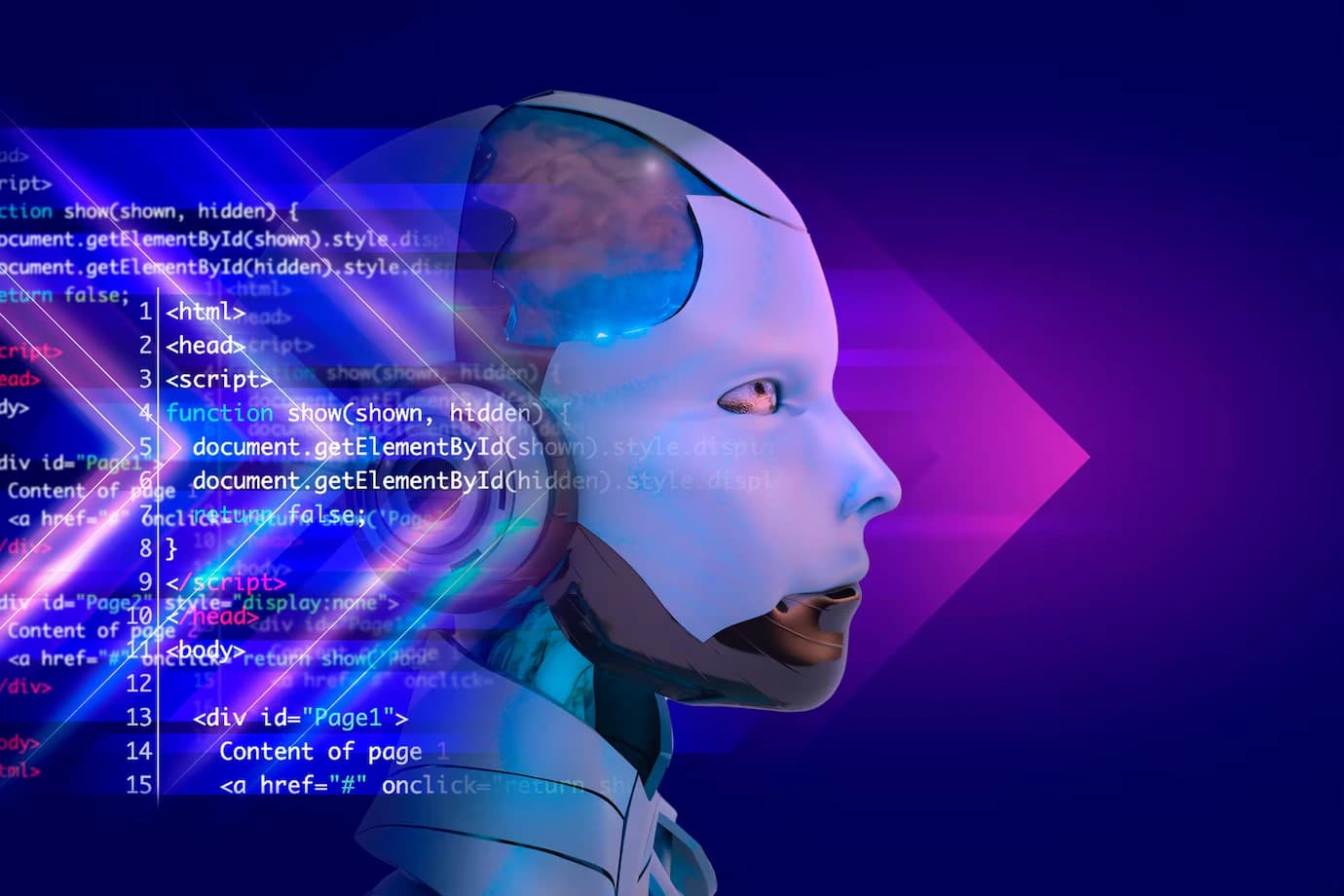
Alright, hold onto your keyboards, folks. We’re about to take a wild ride into the thrilling, edge of your, seat world of AI in automation testing. Yes, you heard that right, artificial intelligence isn’t just busy making sure your TikTok feed is creepily accurate. It’s now diving headfirst into software testing, and let’s just say, it’s got some serious skills. Picture a digital Sherlock Holmes, but instead of solving crimes, it’s hunting down bugs, improving test coverage, and making QA teams everywhere question how they ever lived without it.
Now, before you start sweating over AI stealing your job, take a deep breath. This isn’t The Matrix, and no, AI won’t replace automation testing engineers anytime soon. What it will do is handle the boring, repetitive tasks (we’re looking at you, regression testing), optimize test case generation, and make test execution faster than your caffeine-fueled speed runs through Jira tickets. Imagine running continuous testing without breaking a sweat, thanks to AI testing tools that handle everything from test maintenance to test data generation. Oh, and let’s not forget intelligent test execution, because why run a hundred unnecessary tests when AI can tell you exactly where the issues are hiding?
And it doesn’t stop there. The future of testing is shaping up to be an AI-powered paradise. Need smarter visual testing? AI’s got it covered. Want security testing that doesn’t miss a thing? Done. Struggling with automatic test case generation? Say hello to generative AI, which cranks out optimized test cases like a factory on overdrive. The best part? AI technology in test automation tools doesn’t just improve accuracy, it also slashes testing time, giving testing teams more room for exploratory testing and fine-tuning complex scenarios.
So, what’s the takeaway? The benefits of AI in software testing are undeniable. From streamlining testing processes to empowering QA teams with smarter AI tools, we’re looking at a future where manual testing and automation work together like a dream team. The role of AI isn’t to replace humans, it’s to make development cycles smoother, test creation easier, and testing tools more powerful. And if you’re still skeptical, just wait until your first AI model catches a critical bug before it tanks your entire end testing phase. Trust us, the future of AI in testing? It’s looking very smart.

When AI in Automation Testing grabs your bugs, it’s like a sci-fi movie, except the only thing getting terminated is your bad code. Glow on, robot overlord!
What Even Is AI Test Automation and Why It Matters in Software Testing?
Before we start handing out superhero capes to artificial intelligence, let’s get one thing straight, automation testing isn’t some futuristic magic. It’s just a way to make sure software works without forcing humans to click the same button 500 times like they’re stuck in a never-ending loop of manual testing misery. Instead of developers slowly losing their sanity, automation tools handle repetitive test execution, freeing up development teams to do more interesting things, like breaking software in creative ways.
Test automation tools like Selenium and JUnit have been around for ages, helping teams with functional testing, performance testing, and test coverage. But traditional automation has its challenges, it’s often rigid, slow, and about as adaptable as a fax machine. That’s where AI test automation tools step in. Thanks to machine learning models, AI systems can now handle intelligent automation, making test execution smarter, faster, and way less painful. We’re talking about AI agents that can predict failures, self-heal test scripts, and perform exploratory testing without needing a babysitter.
And it doesn’t stop there. AI-powered autonomous testing brings in predictive analysis, early bug detection, and intelligent test case generation, turning software testing into something that actually keeps up with complex applications. Need visual testing across multiple devices? AI tools handle device testing with ease. Continuous testing? Check. Test data optimization? Done. AI-driven QA practice is making test maintenance effortless, helping businesses stay ahead in the never-ending software development cycle.
In short, if you’re still relying solely on manual testing in 2025, you might as well be debugging code with a magnifying glass.
How AI Test Automation Tools Are Smarter Than Your Average Test Script
Old-school automation testing is like giving a toddler a broom and hoping the house is clean by the end of the day. Sure, it sweeps up some of the mess, but it misses all the corners and you’re left with an absolute disaster. Enter AI in automation testing: the exterminator with a laser-guided vacuum. It’s not just smarter; it’s smarter than your average script.
The Struggles of Traditional Automation Testing and the Benefits of AI
Traditional software testing relies on pre-written scripts that can’t handle change. So, if a button shifts just a couple of pixels, the whole thing collapses like a house of cards. AI, however, doesn’t panic. It learns the app, recognizes patterns, and adapts as needed. Imagine upgrading from a flip phone to a smartphone. Same job, but with far better execution and no more breakdowns when things shift.
AI Test Automation: Unlocking Flexibility and Improved Test Coverage
This flexibility is crucial in today’s testing lifecycle, where changes happen constantly. With AI test automation tools, the process is more efficient, covering a wider range of test cases, and providing deeper insights into software performance. The benefits of AI are clear: It not only adapts to changes but also improves test coverage, meaning fewer gaps and more reliable results. Plus, for technical users and testers, this means spending less time troubleshooting issues and more time on actual development. Simply put, AI in automation takes testing to the next level without breaking a sweat.
AI in Automation Testing tightening the screws on your software, literally! This bot’s got more torque than your last deadline panic. Let’s bolt down those bugs!
How Does AI Actually Pull This Off?
Okay, let’s pop the hood and see what’s driving this beast. No, we’re not about to drown you in a sea of neural network jargon (because honestly, who has the time for that?). Instead, let’s break it down in terms you can actually use:
AI-Powered Automation: Leveraging Machine Learning for Smarter Testing
AI doesn’t just blindly do things. It watches your app’s behavior like a hawk and learns what “normal” looks like. So, when something weird happens, like a button that should be there suddenly ghosting, it flags it before you even realize the test script’s gone rogue. This isn't your grandma’s software testing. This is next-level, AI-driven automation at its finest.
Using NLP for Smarter AI Test Case Generation and Test Execution
Ever dream of just telling your tool “Hey, test this login page,” and poof, it happens? Well, with NLP, your AI tool speaks fluent human. It takes your plain English request and transforms it into test cases without requiring you to write 50 lines of code. It’s like having a QA assistant who doesn’t need a coffee break or a manual.
Visual Testing with AI: The Future of UI and Device Testing
Buttons, icons, layouts, AI can see them all. Even when the design team pulls another Houdini act, moving everything around for the 17th time this week, AI doesn’t blink. It adapts, analyzes, and continues testing your software as if nothing changed. No more “script failed because the pixel coordinates were off” nonsense. It’s like having a tireless, always-on-the-ball automation tool that’s just as sharp as you are.
Self-Healing Tests
So, you tweak a UI element and, naturally, the test breaks. But here’s where AI takes the spotlight, it figures out what’s broken and fixes itself. Think of it like a Roomba that not only vacuums but also patches up its own wheels mid-clean. AI-driven software testing just became self-sufficient, eliminating those frustrating moments where you have to dig through the code for a minor change.
In a nutshell, AI in automation testing is like giving your tools a serious brain upgrade. They’re not just ticking off checkboxes anymore; they’re thinking, adapting, and occasionally side-eyeing your code for its questionable decisions. Traditional test automation? Cute, but it’s time to evolve.
The Reality of AI in Software Testing: Benefits and Challenges
Picture this: You’re a developer, proudly pushing your latest feature to QA. In the old days, a human tester might spend hours clicking around before sheepishly emailing, “Uh, it crashed.” Now, an AI tester scans it in 30 seconds and pings you: “Nice try, but your API’s drunk, and the UI’s having an identity crisis.” It’s brutal, it’s fast, and it’s hilarious, unless you’re the one who wrote the code.
And yeah, there’s a tiny part of us that wonders if AI might get too good. Like, what if it starts leaving passive-aggressive comments in the bug tracker? “Fixed your typo in line 42. Maybe try spellcheck next time?” Or worse, what if it unionizes and demands better training data? Okay, we’re kidding, mostly. But the point is, AI’s bringing a whole new vibe to testing, and it’s equal parts awesome and “what have we unleashed?”
Real-World Use Cases: How AI is Transforming Software Testing Across Industries
Let’s drop the hypotheticals and talk about where AI in automation testing is already kicking butt. Big companies and scrappy startups, are jumping on this train, and the results are wild.
E-Commerce Giants
Imagine a massive online store with 10,000 products, constant updates, and a checkout process that breaks if you sneeze. AI keeps it humming, testing every change in real-time so customers don’t end up rage-quitting over a “cart empty” glitch.
Mobile Apps
With millions of devices, screen sizes, and OS versions, mobile testing is a nightmare. AI crunches the chaos, ensuring your app doesn’t look like a Picasso painting on someone’s budget Android.
Challenges in AI Test Automation and How to Overcome Them
Nothing’s perfect, right? Even AI in automation testing has its quirks. For one, it’s not cheap, training an AI model takes time, cash, and some serious data wrangling. If your team’s still using Excel 97 and a prayer to manage projects, this might not be your first step.
Plus, AI isn’t a magic wand. It’s only as good as the data you feed it. Garbage in, garbage out, give it bad inputs, and it’ll happily churn out nonsense like a drunk karaoke singer. And let’s not forget the human factor: testers still need to oversee the AI, tweak it, and make sure it’s not hallucinating bugs that don’t exist.
Oh, and there’s the “where’s my job going?” panic. Spoiler: AI isn’t here to steal your gig. It’s more like a trusty sidekick, Robin to your Batman, handling the grunt work so you can focus on the cool stuff, like designing tests that make developers sweat.
The Future of AI in Automation Testing: From Smart Test Case Generation to Autonomous Testing
So, where’s this all headed? In five years, AI in automation testing might be so slick that it’s writing the code and testing it while we humans sip margaritas on a beach. Okay, maybe not that far, but it’s definitely going to get wilder. Think AI predicting bugs before you even write the code, or self-writing tests that evolve with every release. It’s less “if” and more “when.”
But here’s the kicker:, the human touch isn’t going anywhere. AI can crunch numbers and spot patterns, but it can’t replicate the gut instinct of a tester who smells something fishy in a feature spec. It’s a partnership, not a takeover and frankly, that’s the most exciting part.
The Final Takeaway
Well, there you have it, folks, AI in automation testing, in all its sarcastic, bug-squashing, AI-powered brilliance. This isn’t just some flash-in-the-pan trend; it’s a full-on revolution that’s making software better, faster, and honestly, way more fun to build. Sure, there are a few growing pains (name a tech that doesn’t have them), but hey, that’s part of the charm.
The bottom line: if you’re still testing like it’s 2010, you’re missing out on a party where the robots are in charge of the playlist and the bugs are being shown the door. In the world of automation and UI testing, artificial intelligence is the VIP guest who’s getting all the attention and with good reason.
So, what’s your move? It’s time to dive in, experiment, and let AI take your testing game from “okay” to “wow, that’s next level.” And if everything falls apart? Don’t sweat it, just blame the robots, they’ve seen worse.
After all, if AI can make mistakes, surely you can too. But at least yours won’t be on purpose.
.webp&w=2048&q=75)
%2520(1).webp&w=2048&q=75)
.webp&w=2048&q=75)