
Digital payments in India: Fast, easy but is it fully safe?
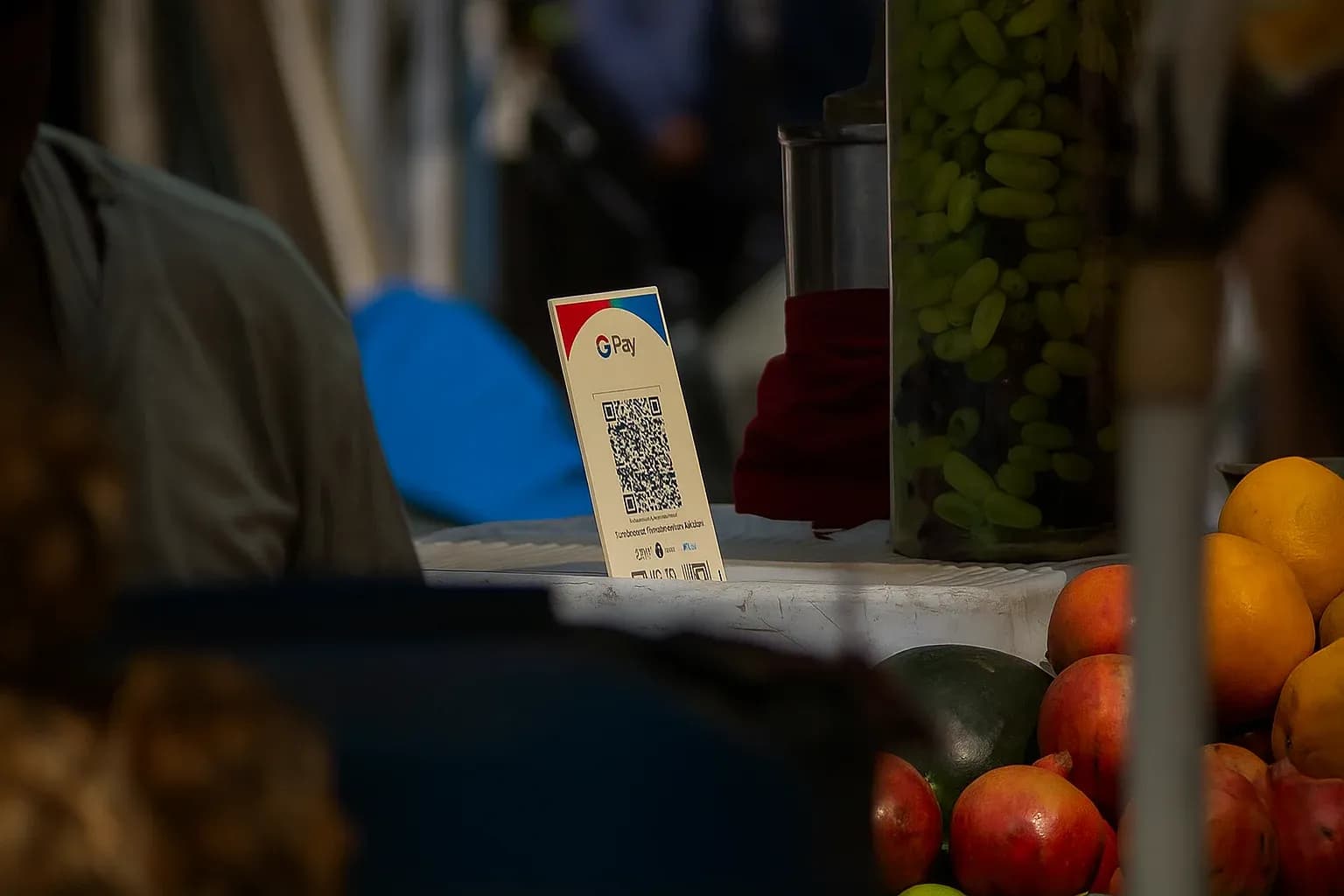
Not too long ago, paying bills or shopping meant standing in long queues and handling cash. Today, we simply scan a QR code or tap a phone, and it’s done in seconds. With UPI transactions crossing ₹200 lakh crore every month and digital wallets becoming a part of daily life, this shift has made payments quicker and easier for millions.
But with this convenience, there are new risks. Criminals keep finding new ways to exploit payment systems, making payment security more important than ever. Payment security remains the foundation of trust and growth in this ecosystem.
Banks and payment companies have long relied on one-time passwords (OTPs) as a key security layer. These codes, usually sent by SMS, were once a strong defense. Over time, however, they’ve become easier targets. Fraudsters use phishing, SIM swaps, and social engineering to get around them. That’s why OTPs are now seen as “traditional” no longer enough on their own.
To truly protect users today, security must go beyond codes and passwords. We need smarter, more adaptive payment authentication methods, such as behavior analysis, device fingerprinting, and risk-based checks. These approaches help stay a step ahead of fraudsters while keeping the trust of millions who rely on digital payments every day.
A quick look back: From passwords to OTPs
In the early days of online payments, passwords were our main line of defense. They felt simple and familiar, but as online threats grew, passwords alone couldn’t keep up.
That’s when one-time passwords (OTPs) and multi-factor authentication (MFA) stepped in. OTPs added an extra layer, usually through a code sent by SMS or email. For many years, this extra step gave people a sense of safety and helped reduce fraud.
But fraudsters kept evolving. Phishing, SIM swapping, and other tricks started to bypass these methods. Something that once felt secure began to show cracks.
Now, as digital payments continue to grow, relying only on codes and passwords no longer works. We need stronger, smarter payment authentication methods that adapt and stay ahead of fraud. Approaches like behavioral biometrics, device fingerprinting, and risk-based authentication are emerging as safer, more advanced options to improve payment security and create a more seamless payment experience
The Weaknesses of OTP: Why It’s Losing Ground
OTPs were once seen as a strong security step, but they are now failing against smarter attackers. They can easily be stolen through phishing, SIM swaps, and malware. For example, phishing scams trick people into sharing OTPs on fake websites or calls. SIM swap attacks let criminals take over your phone number and get your OTPs. Malware on your phone can also steal codes without you knowing.
In India, digital payment fraud cases continue to rise. Reports show that fake transactions on UPI alone can cross ₹25 crore every month.
OTPs are just codes, and once someone else gets them, they can take over your account. They create a single weak point that criminals can easily target.
This shows why we need stronger payment authentication methods and better payment security to protect digital payments and keep users safe.
How Attackers Exploit Traditional Methods
Attackers use simple but clever tricks to break old security methods. They send fake emails or links to steal OTPs. They also pretend to be from your bank and ask you to “confirm” your code on a call. In SIM swap attacks, they take control of your phone number to get your OTPs directly. Malware hidden in apps can grab codes before you even see them.
These attacks work because OTPs and old payment authentication methods depend on static codes sent to your phone, not on something truly unique to you. Newer methods like behavioral biometrics and device fingerprinting are safer because they rely on your behavior and your device, making them harder for fraudsters to copy.
This is why improving payment security and moving towards smarter ways of protecting digital payments is so important today.
Beyond OTP: The Rise of Smarter, Next-Gen Authentication
New and smarter ways to protect digital payments are now being used. These advanced payment authentication methods focus on using what makes each user unique, making it much harder for fraudsters to succeed.
Behavioral biometrics
- Look at how you type, swipe, hold your phone, and even how you move.
- Works like a digital signature that is very hard to copy.
- Supports biometric authentication, next-gen authentication, and builds stronger payment security.
Device fingerprinting
- Uses unique details about your device, like your software, browser, and connection.
- Creates a “fingerprint” to confirm it’s really you each time.
- Helps protect against attacks and supports a more seamless payment experience in digital payments.
Risk-based authentication
- Check your location, time of day, transaction amount, and your usual spending patterns.
- Decides in real time if a transaction is safe or needs extra checks.
- Reduces fraud, improves payment processing security, and is a strong alternative to OTP.
Voice biometrics
- Uses your unique voice to confirm your identity, making it stronger than a password.
- Becoming popular for phone-based services and digital payment services.
- Supports passwordless authentication and multi-factor authentication, giving an alternative to SMS OTP.
EMV 3D Secure (3DS2)
- 3D Secure (especially its newer 2.0 version) is designed to make online credit and debit card transactions (Card Not Present) much safer. It adds an extra layer of smart authentication to stop fraud.
It works by sharing rich data between the merchant, card networks, and banks to check the risk of each transaction in real time. This allows for a "frictionless flow" where low-risk transactions can be approved without any extra steps from the customer.
For higher-risk transactions, it uses a "challenge flow" with advanced methods like biometrics or app-based approvals instead of OTPs. This greatly reduces online fraud for merchants and fits perfectly with modern risk-based authentication approaches.
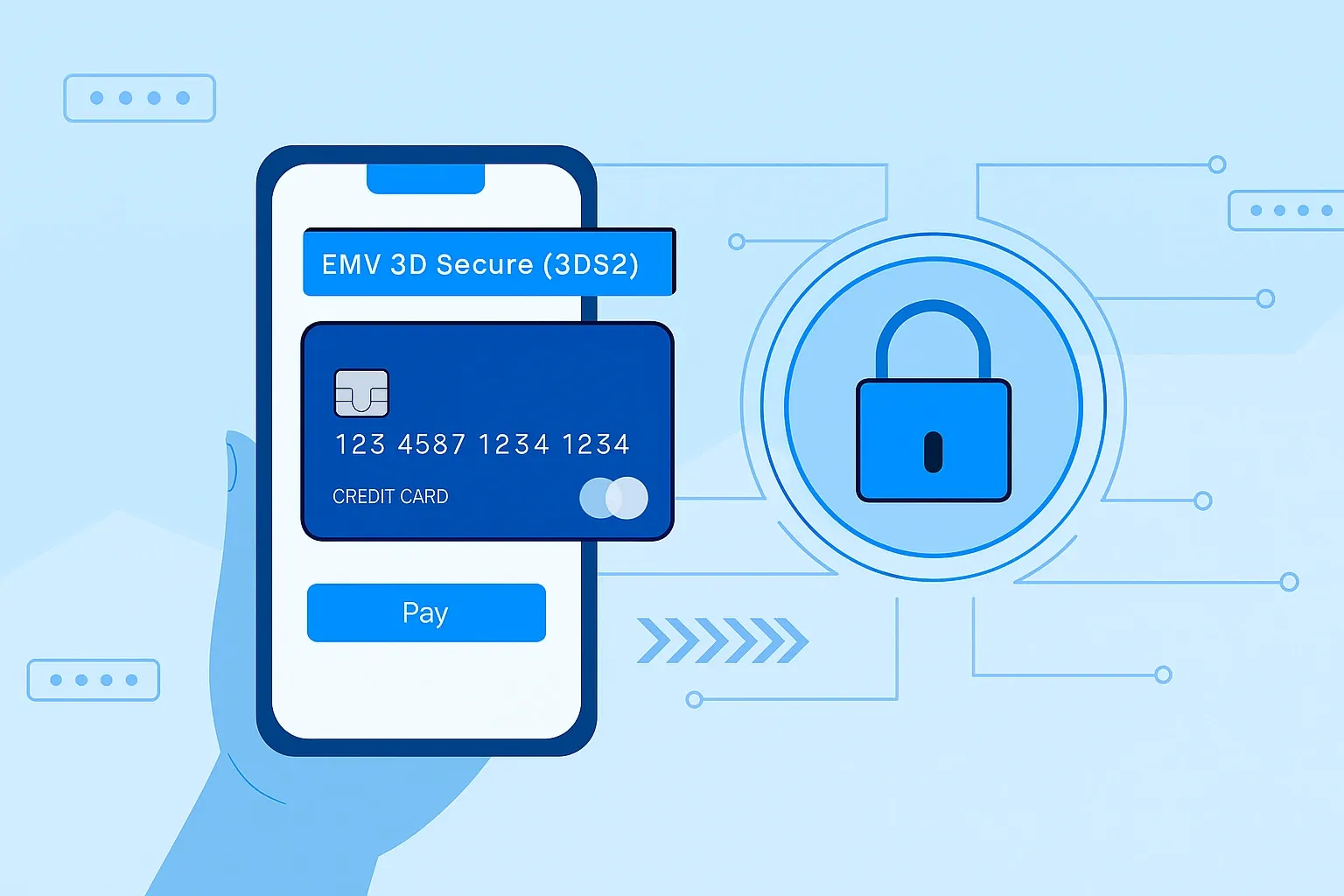
All these methods are more secure because they use dynamic, multi-layered checks that are very difficult to fake. They show why moving to next-gen authentication and better payment security is so important today.
In Leading the Way: Indian Banks and Fintech Innovating
The Reserve Bank of India (RBI) is actively pushing for alternative authentication frameworks, encouraging banks and fintech to reduce their reliance on SMS OTP.
- Many banks, like SBI and some private banks, are testing behavioral biometrics and device fingerprinting to improve payment processing security. These checks help confirm a user’s identity without needing static codes.
- Wallet apps like Paytm and PhonePe use AI-driven fraud detection, combining risk-based authentication and real-time analysis to catch suspicious activities quickly. This helps in reducing payment fraud and improving online payment security.
- These new methods support secure digital payments and help move towards passwordless authentication and biometric authentication. By reducing constant OTP entries, they make payments smoother and create a more seamless payment experience.
- With these changes, Indian banks and fintech are also focusing on security and compliance in payments, aligning with global payment security standards like Payment Card Industry Data Security Standards (PCI DSS) and adopting technologies like 3D Secure (3DS2) for card payments.
- The adoption of EMV 3D Secure / 3DS2 for online card transactions is increasingly common, allowing for more intelligent, risk-based authentication that often eliminates the need for an OTP for low-risk purchases. Digital wallets like PhonePe and Paytm are leveraging AI-driven fraud detection, utilizing sophisticated algorithms to spot suspicious activities instantly.
These innovations make digital payments not only safer but also simpler for everyday users , a true win-win.
What Will Secure Banking Look Like in 3-5 Years?
Looking ahead, the next 3-5 years will bring major changes to payment authentication methods.
- We will see continuous, invisible checks happening in the background all the time. This means instead of typing codes or passwords, your behavior, location, and device details will confirm it’s really you.
- AI-driven real-time scoring will look at each action and decide if it’s safe or if extra checks are needed. This helps create seamless security without bothering you at every step.
- With this shift, passwordless authentication, biometric authentication, and behavioral biometrics will become more common, replacing static codes like OTPs.
- This approach supports secure digital payments, improves online payment security, and helps in reducing payment fraud.
- All these changes will also support better security and compliance in payments, making sure that payment security standards are followed without adding friction for users.
The goal is simple: to make digital payments feel smooth and safe, so you can pay and move on without thinking twice.
Why Many Still Stick to OTP: Challenges & Mindset
Even though next-gen authentication methods like passwordless authentication, biometric authentication, and behavioral biometrics are much safer, many people and businesses continue to rely on OTPs. One major reason is user familiarity. People feel more comfortable with methods they’ve been using for years. For many, OTPs feel simple and straightforward.
Another reason is the belief that moving to new payment authentication methods is expensive or too complicated to implement. Many companies also assume that OTPs are enough to meet payment security standards, without realizing that threats have evolved and stronger measures are now necessary.
However, continuing to depend on OTPs comes with big risks. It opens the door to more payment fraud, larger financial losses, and serious damage to brand reputation. As attackers get smarter, businesses that fail to upgrade their security face higher chances of being targeted.
It’s important to educate both users and businesses about the value of secure digital payments, stronger online payment security, and advanced payment processing security. Adopting modern, alternative to OTP solutions not only boosts protection but also helps meet global security and compliance in payments standards.
Moving beyond OTPs isn’t just a technology shift, it's an investment in long-term trust and a safer future for digital transactions.
Balancing Strong Security and Smooth User Experience
The real goal in digital payments is to make transactions both very secure and easy for users. Strong security doesn’t have to mean complicated steps or a frustrating experience. By using adaptive authentication methods, banks and fintechs can adjust security levels in real-time based on risk. This means low-risk transactions stay fast and smooth, while high-risk actions get stronger checks.
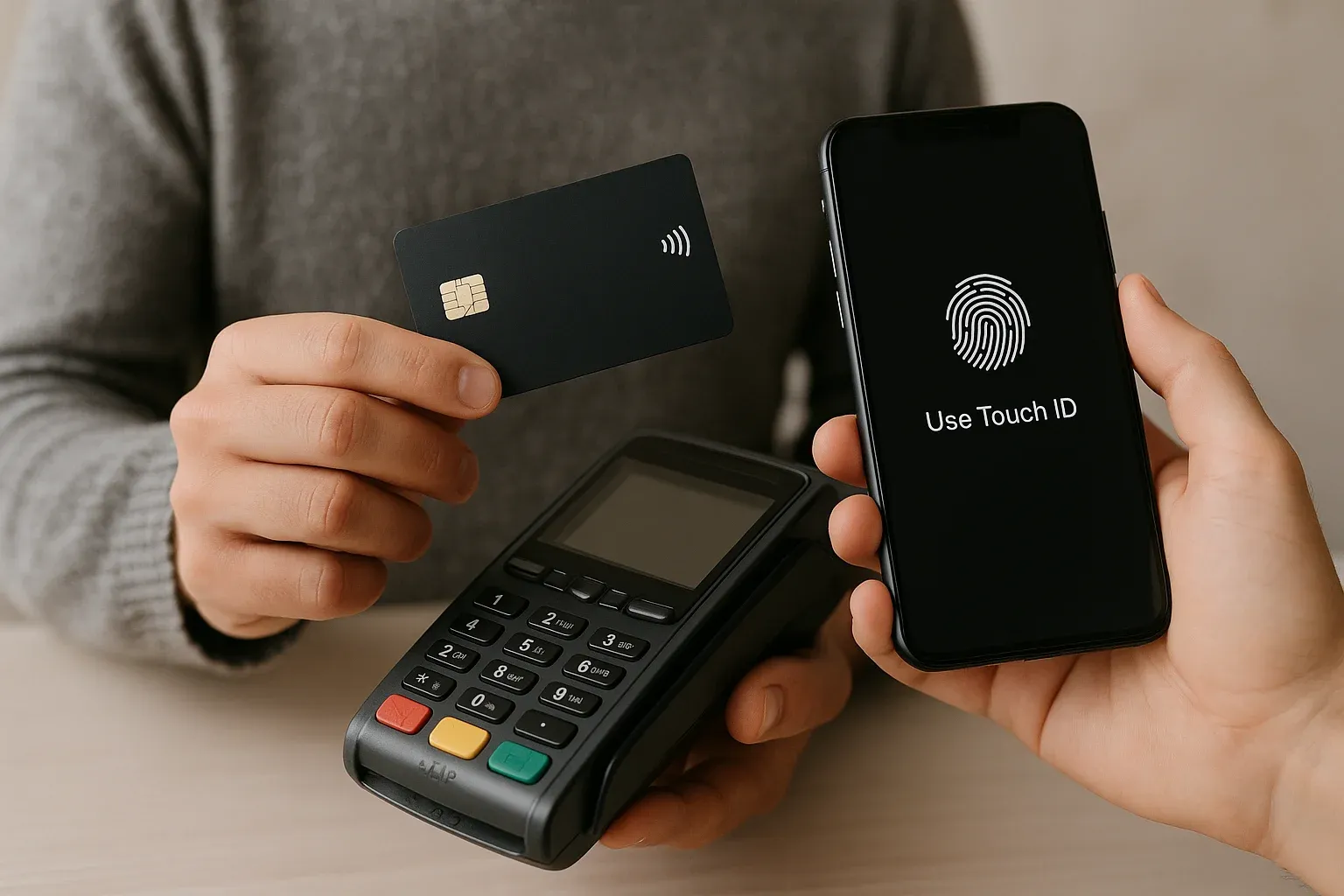
Techniques like multi-factor authentication, behavioral biometrics, and risk-based authentication make this balance possible. They show that payment security and convenience can work together. In fact, a truly secure digital payment system, powered by multi-factor authentication with methods like behavioral biometrics and EMV 3D Secure, builds greater trust and encourages wider adoption, leading to a truly seamless payment experience.
Conclusion: Time to Move Beyond OTP
The time of relying only on OTP for payment security is quickly ending. New, smarter methods are not just an upgrade; they are essential to fight modern fraud. It’s time for banks, fintech companies, and businesses to fully embrace next-gen authentication.
By adopting biometric authentication, device fingerprinting, passwordless authentication, and risk-based authentication, we can create a safer and more seamless future for digital payments. These modern payment authentication methods help reduce fraud, meet payment security standards, and give users a smooth and trusted experience.
Moving beyond OTP is not just a technical shift, it's a commitment to stronger online payment security, better security and compliance in payments, and a more secure future for everyone using digital payment services in India and around the world.
Frequently Asked Questions (FAQs)
Q1: Why is OTP no longer safe enough for payment security?
A1: OTPs were helpful at first, but now they can easily be stolen through scams like phishing, SIM swap, or malware. As fraudsters get smarter, using only OTP codes is not enough to keep digital payments safe anymore.
Q2: What new "next-gen authentication" methods are replacing OTP?
A2: New methods include behavioral biometrics (how you type and swipe), device fingerprinting (checking your device details), risk-based authentication (checking things like location and habits in real time), and voice biometrics. For online cards, there’s also EMV 3D Secure (3DS2), which is much stronger than SMS OTP.
Q3: How do behavioral biometrics make payments safer without extra steps?
A3: Behavioral biometrics watch how you interact with your phone or computer in the background like your typing speed or how you hold your device. This means you stay protected without doing extra steps, giving you a seamless payment experience and better protection from fraud.
Q4: What is EMV 3D Secure (3DS2) and how is it better than the old version?
A4: EMV 3D Secure (3DS2) is a new way to protect online card payments. It checks more data to understand the risk of each transaction. Most of the time, you won’t even need to do anything extra. Only if something looks risky, you might be asked for a biometric or extra check. It’s much safer than using SMS OTP codes.
Q5: How are Indian banks and fintechs using these new methods?
A5: Many Indian banks and payment apps are now using behavioral biometrics, AI-driven fraud detection, and 3DS2 to improve payment security. The RBI is also pushing for these changes to move away from SMS OTP and make digital payments safer and easier.
Q6: What is passwordless authentication, and why is it important for the future?
A6: Passwordless authentication means you don’t need to remember or type passwords anymore. Instead, it uses biometric authentication (like fingerprint or face scan) or device-based keys. This makes digital payments faster, safer, and simpler for everyone.