

.webp&w=2048&q=75)
Financial firms face significant cybersecurity threats with potential losses reaching $2.5 billion since 2017. Indirect costs like reputational damage and security upgrades add to the burden.
With banks bearing the brunt of nearly one-fifth of all cyber attacks due to their wealth of sensitive data and transactions, it's no wonder the industry remains on high alert. Cyber incidents pose not just a threat to individual entities but can also destabilize financial markets and economic activities if they shake confidence in our fiscal systems or disrupt critical services.
Institutions increasingly rely on third-party IT and emerging tech like AI, creating new risks. A 2023 ransomware attack affected many credit unions through an IT service provider outage.
Given this landscape fraught with danger, fintech companies must engage fervently with cybersecurity measures tailored toward compliance needs while striving to fend off malicious actors intent on penetrating defenses. Let’s look into assessing fintech cybersecurity threats; shall we?

Assessing Fintech Cybersecurity Threats
We can't ignore fintech cybersecurity threats. Seriously, with attacks coming from all corners of the globe, this stuff keeps us up at night. Only about half of countries have their act together with a proper cybersecurity strategy for the financial sector.
It’s kind of like leaving your front door unlocked in a bad neighborhood and wondering why you got robbed. Firms need to step it up with better online security practices, think antimalware and making sure everyone uses multifactor authentication like their lives depend on it because, well, their digital life does. Then there's the importance of not keeping cyber incident info locked away but sharing it so we can all learn something useful.
And let’s be real; being prepared isn’t an option, it’s necessary to keep services running even when things go south.
Evolving Financial Sector Regulations
- Smart Compliance: A savvy solution for simplifying cybersecurity compliance.: We've found that adopting an "intelligent strategy" really does the trick. This means using one set of cybersecurity measures to tick off requirements from multiple regulations simultaneously. It's like killing two birds with one stone, but without harming any actual birds.
- The Banker’s Cybersecurity Compliance Cheat Sheet: Our secret weapon against regulatory headaches.: Oh, this thing is a lifesaver; we practically worship it at our bank! It organizes all those pesky rules and requirements into a simple matrix format, so you know exactly what needs doing — and when. Say goodbye to pulling your hair out trying to figure if you’ve covered every single base.
- Staying Ahead of the Game: Keeping up-to-date in an ever-shifting regulatory environment.: Let me tell you, nothing stays still in finance regulations for long -- they change more often than fashion trends! We keep ourselves sharp by enlisting external experts who are worth their weight in gold for helping us stay compliant even as new technologies pop up or standards evolve.XML
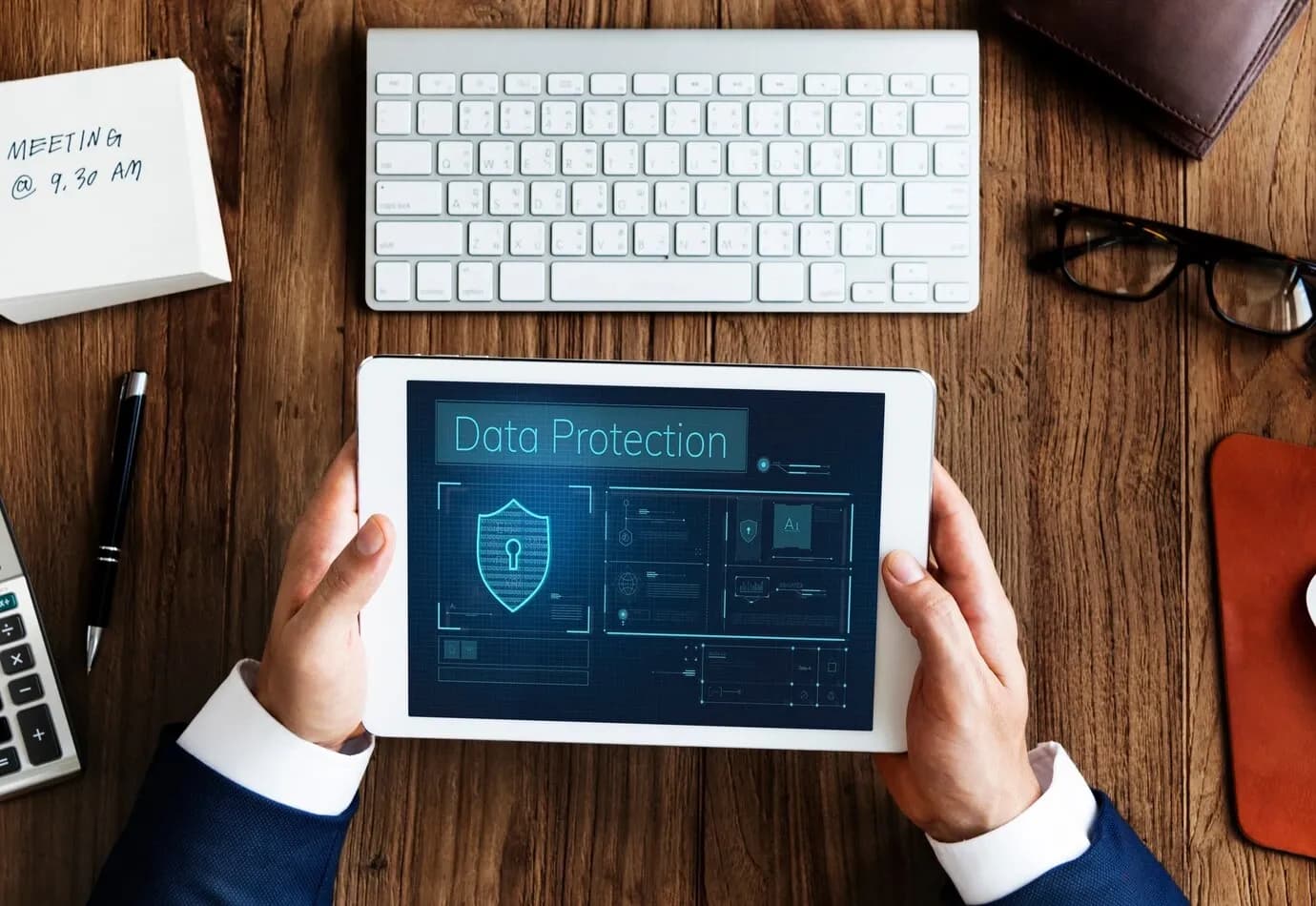
Secure Data Transmission in Finance
As we explore securing financial data on the move, it's clear that traditional methods might not cut it anymore. Remember those times you felt a mini heart attack realizing your USB wasn't in your pocket? Yeah, think of that but with millions at risk.
Software encryption like BitLocker can give us a false comfort blanket; hackers chew through common passwords before breakfast. That’s where hardware-encrypted drives step onto the stage - Kingston Iron Key Vault Privacy and Keypad series are akin to Fort Knox for Financial data - They're slicker than wearing sunglasses indoors without tripping over furniture. These drives have brains too; they self-destruct after too many wrong password attempts (picture Mission Impossible sans Tom Cruise).
It's clear as day why our finance buddies should clutch these digital bodyguards closely, facing down regulations from SEC or GDPR requires more than just hope and crossed fingers because fines aren’t exactly chump change. So whether hopping between conference rooms or continents, tossing one of these encrypted shields into their bag could save them an epic cybersecurity headache.
Robust Encryption for Sensitive Transactions
In the arena of financial transactions, where every byte of data can equate to significant monetary value, ensuring maximum security isn't just a nice-to-have; it's an absolute must. Enter robust encryption – your digital vault.
- The Essence of Encryption: Encryption acts as the first line of defense in protecting sensitive information from prying eyes. It scrambles data into an unreadable format for anyone without the decryption key. This method is crucial for maintaining confidentiality and integrity during transmission across networks or storage on servers.
- Regulatory Compliance: Compliance with global and industry-specific regulations such as GDPR, HIPAA, and PCI-DSS mandates strong encryption practices to safeguard personal and financial information. Failing here not only results in hefty fines but could also tarnish your reputation beyond repair.
- Blending Security with Performance: Balancing top-tier security while ensuring smooth transactional efficiency poses its challenges but is non-negotiable. Advanced encryption solutions now offer ways to protect vast amounts of data without compromising system performance - keeping both regulators happy and user experience seamless. We understand that integrating advanced cryptographic measures forms part-and-parcel of overarching cybersecurity strategies essential for staying ahead in today’s regulatory environment while bolstering trust among stakeholders by showing unwavering commitment towards securing their interests at all costs.
Multi-Factor Authentication in Banking
We've hit a point where typing in your pet's name followed by "123" doesn't cut it for banking security. Enter Multi-Factor Authentication (MFA), the superhero stopping bad guys from taking over accounts and making unauthorized withdrawals. Imagine this: with MFA, even if some hacker gets your password, they're stuck at the next hurdle - maybe a code texted to you or your fingerprint scan.
It's not just about adding obstacles; MFA addresses those glaring holes traditional passwords can't cover because let’s be honest, people are terrible at creating them. In 2023 alone, cyberattacks skyrocketed, victimizing millions and costing banks a fortune, we’re talking $18.5 million annually per firm kind of fortune! And trust me when I say nobody wants to deal with the aftershock of these attacks, recovering data feels like picking up after a tornado hit sideways.
Anonybit steps into this chaos with their game plan: no more relying on what you know but rather focusing on who you're through decentralized biometrics, think fingerprints without fearing someone will steal yours and go shopping. The story here is simple yet crucial; we help keep banking safe so that worrying about financial cyberspace invaders becomes yesterday's news.
Real-Time Monitoring and Alert Systems
- Real-time insights are paramount: We use Dynatrace to keep an eye on everything happening in our IT environment, and frankly, it's like having a superhero sidekick. This tool gives us up-to-the-minute updates so we can spot issues before they become big problems. It's almost like seeing the future—knowing precisely where compliance might falter allows us to address issues swiftly.
- Automation: Our secret efficiency weapon: Let me tell you, automation is not just nice to have; it’s essential for keeping up with DORA compliance without pulling your hair out. By slashing the manual work needed by 50-70%, according to some smart folks at Dynatrace, we reallocate those hours back into innovations or maybe even sneaking in that much-needed coffee break.
- Proactive incident management? Yes please!: No one likes surprises, especially of the cyber threat variety affecting service availability or causing financial hemorrhage—that would be bad news bears all around! With Dynatrace stepping into the ring armed with its Davis® AI for detecting weird behaviors and vulnerabilities instantly based on what matters most strategically... Well, let’s just say potential disasters don’t stand a chance against such vigilance.
AI and Machine Learning Defense Strategies
In the trenches of financial cybersecurity, we're up against some incredibly sophisticated threats. Turns out, AI and machine learning aren't just buzzwords but actual shields in our arsenal. These technologies sift through mountains of data to spot shady patterns that scream "cyberattack." It's like having a superhuman sentinel who never sleeps, constantly scanning the horizon for danger.
Then there's automated incident response, talk about efficiency! The moment something fishy is detected, this system jumps into action without waiting for a human to make coffee and catch up on emails. But let’s be real; while AI does heavy lifting in detecting dodgy behavior and unauthorized access attempts with behavioral analytics, it also brings its own bag of worms like bias in algorithms and sneaky adversarial attacks.
Now imagine trying to stay one step ahead without these tools, a bit like bringing a knife to a gunfight, clearly not ideal.
Compliance Through Regular Security Audits
Let's admit it, nobody lights up at the thought of compliance audits. They're like pop quizzes but with more headaches and higher stakes.
- Predictable pain points aren't fun for anyone. Think about auditors waltzing in with their lengthy checklists across multiple frameworks. Your clients end up on a wild goose chase for documentation scattered to who knows where, only to uncover security lapses that need immediate magic fixes before time runs out.
- Then there’s the joy of watching your team pull all-nighters, rushing to patch things up before deadlines loom overhead. This reactive hustle not only drains resources but also cramps our style when trying to deliver strategic value consistently.
- The Gartner study from 2025 hits home by emphasizing how we should focus on “demonstrating compliance program effectiveness” rather than merely surviving audit season unscathed. Shifting gears toward proactive management allows us not just a breather between these intense periods but also positions us as preventive care doctors of cybersecurity – identifying potential issues long before they threaten operations or compliance standing.
We aim to make those unpredictable events yawn-inducingly predictable through continuous monitoring and an unwavering commitment towards year-round vigilance against ever-evolving threats— because let's be real; staying ahead is far better than playing catch-up in cybersec land!
Employee Training on Cyber Risks
It’s no secret that teaching our team about cyber risks feels a bit like herding cats. We throw facts and figures at them, like the staggering $4.35 million tag on the average data breach in 2022, hoping something sticks. But let's face it; those PowerPoint slides are probably not winning any attention awards anytime soon.
Roughly 70% of breaches stem from human mistakes which means we're often our own worst enemy. Then there's phishing, responsible for one-third of all breaches, and yet most individuals can't spot a fishy email to save their laptops. So here's where employee training swaggers in, ready to tackle this hot mess head-on by turning humans from the weakest link into cybersecurity ninjas, or so is the plan anyway!
Given only 11% of businesses bothered with this kind of program back in 2020, I guess you could say many are playing digital Russian roulette with security rather than opting for education as their weapon of choice. Security awareness training isn't just a box-ticking exercise or corporate snooze-fest.
It's a lifeline amidst cyber threats targeting your finance sector compliance records.
Vendor Risk Management Protocols
Vendor Risk Management Protocols become a crucial piece of the cybersecurity puzzle, especially for those in the finance sector dealing with sensitive information. Think about it: if your vendor slips up, you're going down with them. Let's cut through the complexity and talk straight about what this means for financial institutions.
- Establish a Vendor Risk Management Program: Sample: A structured approach is key. We all know that winging it won't cut it when managing vendor risks. Setting up a comprehensive program helps us systematically assess these risks. This includes everything from drafting policies to regular audits and checks because let's face it, we can't afford slip-ups in our security measures.
- Identify and Classify Vendors: Sample: Not all vendors are created equal. It seems obvious but assessing which vendors could potentially cause a meltdown is critical. By categorizing these vendors into tiers based on their access level and impact on our business operations, we prioritize where to focus our efforts first—because who has time to vet every single pen-supplier out there?
- market segmentation sample: balloons over broadway reading level word search wonder answers 324
Adopting a Proactive Incident Response
We're living in a time where our tech leaps are huge, but let's be real, our cybersecurity often hobbles behind on crutches. Think about it - we've got AI and quantum computing playing in the sandbox while security measures are still tying their shoelaces. It's like leaving your front door open because you were too busy marveling at how smart your house has become.
We need to switch gears from just slapping on security features to weaving resilience into the very fabric of our technology strategies. Let me lay it out straight: cyber risks now have everyone's attention globally - they bash economies and play pinball with critical infrastructure without batting an eyelid. So here we stand, needing not only to safeguard data but also ensure that companies don't end up as sitting ducks for fines due to sluggish incident response times; four days max or face regulator music?
Quite the tightrope walk! And yet here’s what twists my mind, despite all this high stakes drama, incorporating robust governance and making sure boards actually chew over cybersecurity regularly still feels more like wishful thinking than practiced discipline.
Integrating Blockchain for Enhanced Security
We're always on the hunt for ways to beef up security, especially in finance. That's where blockchain sneaks into the spotlight - think of it as a digital fortress. It's not just about creating blocks of data; this technology makes altering data next to impossible due to its chain-like structure.
Imagine trying to fix a typo in your email after you've sent it to everyone - daunting, right? Now picture that with financial records on blockchain; any change leaves an unmistakable trail. But let's break down why we're all over this like bees on honey.
Its decentralization means hacking one block won't cut it, attackers have no "master key". Also, transparency isn't just a buzzword here; every participant peeks at transactions as they happen, which practically puts a leash on fraud attempts. Then there are smart contracts: our little automatons ensuring deals stick without someone playing puppet master behind the scenes.
Of course, blending blockchain into existing systems is akin to teaching an old dog new tricks, tricky and potentially pricey, but ignore its potential? We might as well go back using fax machines for secure communication! So, despite sounding like tech wizardry reserved for Silicon Valley elites and cypherpunks, integrating blockchain could be what keeps financial cybersecurity solutions several steps ahead of those pesky cyber villains.
Oh, who would've thought that wrapping up on financial cybersecurity solutions for compliance needs could be such a walk in the park? So, let's make it simple: without solid security in place, your finances might as well throw a welcome party for hackers. Ensure you're using top-notch software and protocols to keep unwanted guests out.
Train everyone involved because even the best locks are useless if someone leaves the door wide open. There you have it, a fail-safe way to protect those precious digits and meet all those thrilling compliance standards like a pro.